
Even with advanced technology, plastic manufacturing can encounter quality issues if the equipment is not perfectly calibrated to the resin. Addressing common injection blow molding defects like black spots, bubbles, and uneven walls is critical to maintaining a profitable operation. Understanding the root causes of these flaws allows facility managers to implement precise mechanical adjustments, ensuring that every container meets the strict aesthetic and functional standards required by global cosmetic and medical markets.
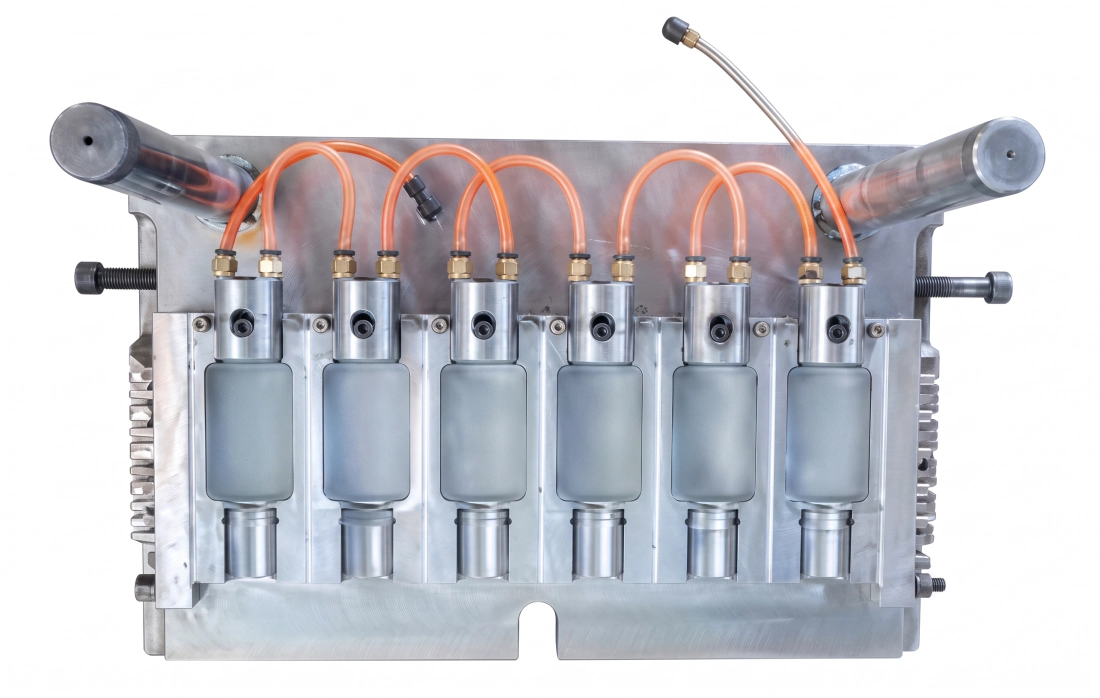
Identifying and Fixing Common Injection Blow Molding Defects
The three most frequent common injection blow molding defects are black spots, bubbles (voids), and uneven wall thickness. Black spots usually indicate resin degradation—plastic burning inside the barrel due to stagnant flow or excessive heat. Bubbles are often caused by trapped moisture in the raw resin or incorrect injection speeds. Uneven walls typically result from a misaligned core pin or inconsistent thermal profiles during the blowing stage. Fixing these requires precise control over the machine’s thermal zones and injection pressures.
Preventing Flaws with a Customized Product Solution
The best way to fix defects is to prevent them entirely. By investing in a deeply customized product, you eliminate the mechanical mismatches that cause these issues. We custom-engineer the screw design to prevent material stagnation (stopping black spots), integrate advanced dehumidifying dryers to eliminate moisture bubbles, and machine ultra-precise core pins to guarantee uniform walls. A customized product approach ensures that your IBM machine is perfectly tuned to your specific plastic resin from day one, drastically reducing your scrap rate.
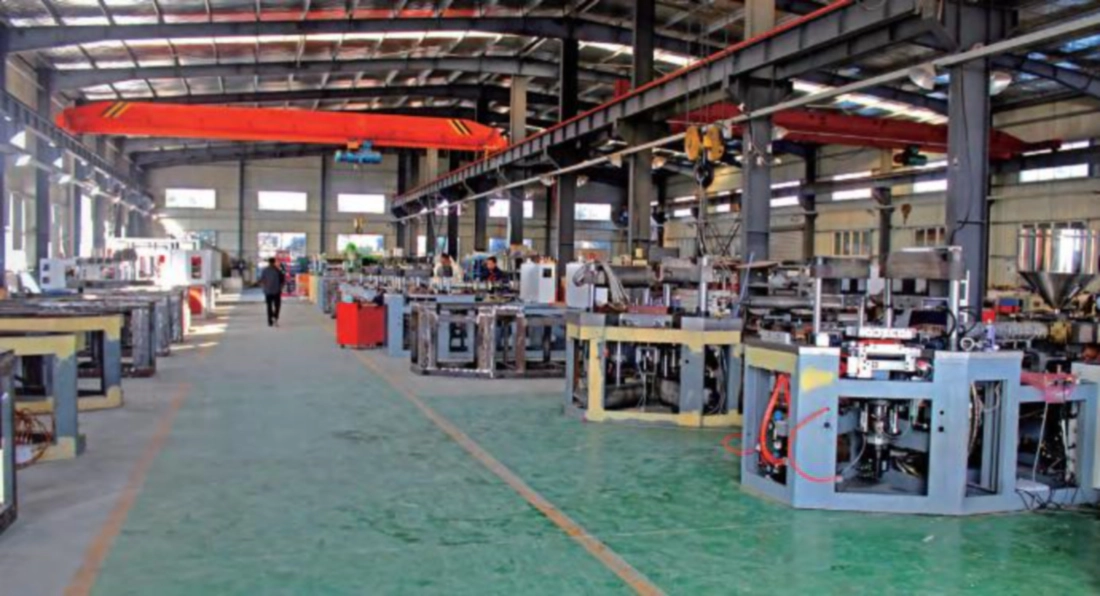
Defect Troubleshooting Matrix
Use this quick-reference guide to identify and resolve standard packaging flaws:
| Defect Type | Primary Cause | Machine Adjustment / Custom Solution |
|---|---|---|
| Black Spots / Streaks | Material degradation / Overheating in barrel | Lower barrel temp; utilize custom optimized screw profiles |
| Bubbles / Voids | Moisture in resin or trapped air during injection | Increase back pressure; integrate advanced desiccant dryers |
| Uneven Wall Thickness | Uneven preform temperature or core pin shift | Calibrate thermal zones; use heavy-duty custom mold guides |
| Short Shots (Incomplete fill) | Insufficient injection pressure or low melt temp | Increase injection speed/pressure; check hot runner gates |
Success Story: Eliminating Contamination in Germany
Client: PharmaCare Plastics (Germany)
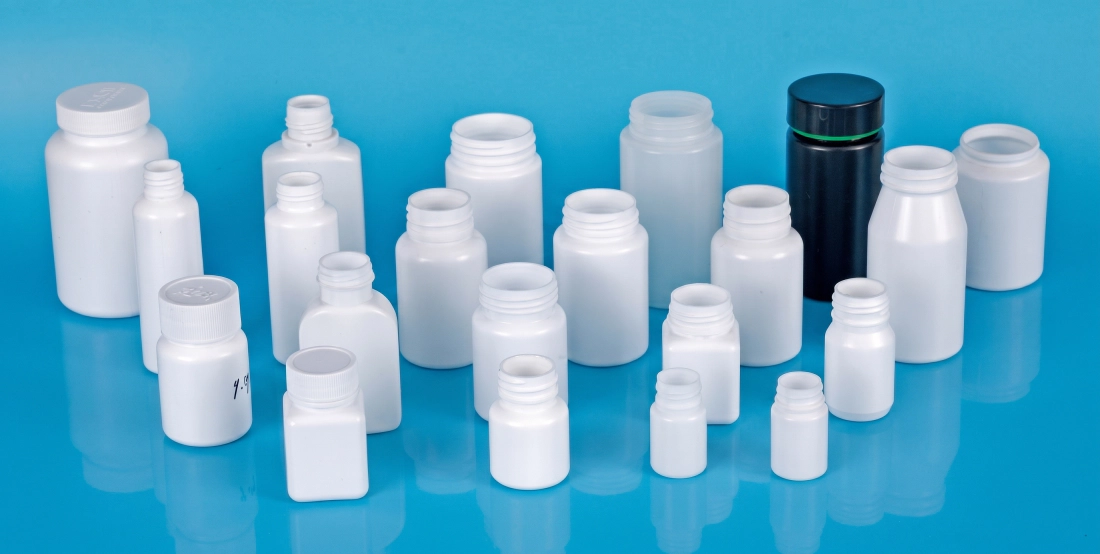
Challenge: The client was experiencing a 6% rejection rate on white medical pill bottles due to severe black spot defects, leading to massive material waste and audit warnings.
Solution & Result: We replaced their generic machinery with a highly customized product IBM line. By engineering a custom screw and barrel specifically designed for their titanium-dioxide blended PE resin, we eliminated material dead zones where burning occurred. The common injection blow molding defects vanished entirely, dropping their rejection rate to 0% and securing their GMP compliance.
Customer Reviews
“We struggled with bubbles in our cosmetic jars for months. Their customized product approach solved the moisture issue instantly. Flawless production.” – Marie L., Plant Manager
“Understanding how to fix common injection blow molding defects was great, but having an IBM machine that prevents them by design is even better.” – Hans G., Quality Lead
“Uneven walls used to cause our bottles to warp during cooling. The precision custom core pins they provided completely eliminated the problem.” – David P., CEO
Equipment for Flawless Operations
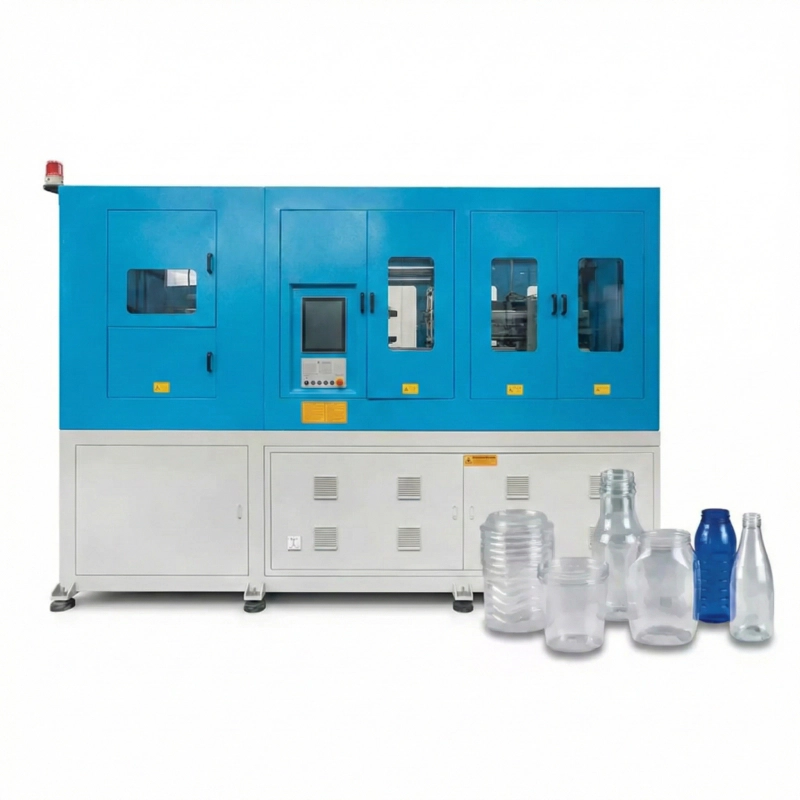
Машина ISBM
When defects like haziness or poor clarity affect your PET production, our highly controlled ISBM machines provide perfect biaxial stretching for crystal-clear results.
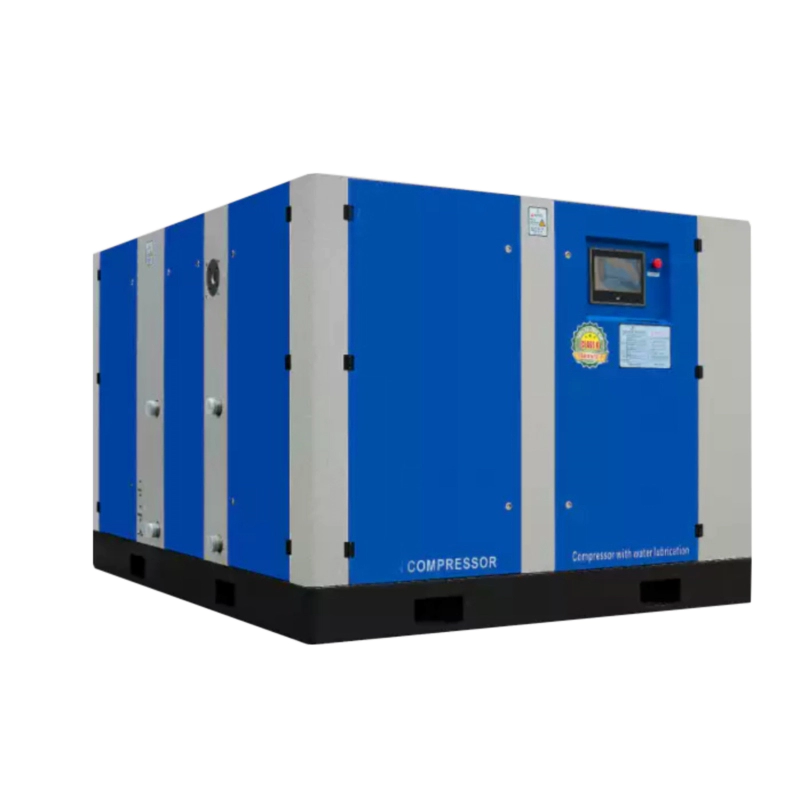
Безмасляний гвинтовий повітряний компресор
Inconsistent air pressure causes uneven walls. Oil contamination causes internal spots. Our oil-free compressor solves both issues instantly for reliable molding.
Часті запитання (FAQ)
What is the primary cause of black spots in my cosmetic plastic bottles?
Black spots are almost always degraded (burned) resin. This happens when plastic gets stuck in “dead zones” within the screw barrel or hot runner system, cooks for too long, and then breaks loose into the fresh melt stream.
How does a customized product prevent common injection blow molding defects?
By engineering a customized product, we tailor the machine’s barrel size, screw geometry, and thermal zones to exactly match the flow rate and melting point of your specific resin, preventing overheating and material stagnation.
Why am I getting bubbles in my pharmaceutical PETG bottles?
Bubbles usually indicate high moisture content in the raw resin. PETG is highly hygroscopic (absorbs water). If not properly dried before injection, that water turns to steam during melting, creating voids and bubbles in the bottle wall.
Can uneven wall thickness affect child-resistant caps on medical containers in the Netherlands?
Yes, severely. If the wall thickness is uneven, the neck threads will be distorted. This prevents child-resistant caps from locking properly, leading to dangerous leaks and immediate failure during European safety compliance audits.
How does an oil-free screw air compressor help prevent molding defects?
Standard compressors can introduce microscopic oil droplets into the blow air, which creates chemical spotting and adhesion issues on the inside of the bottle. An oil-free screw air compressor guarantees pristine air, ensuring flawless internal surfaces.