
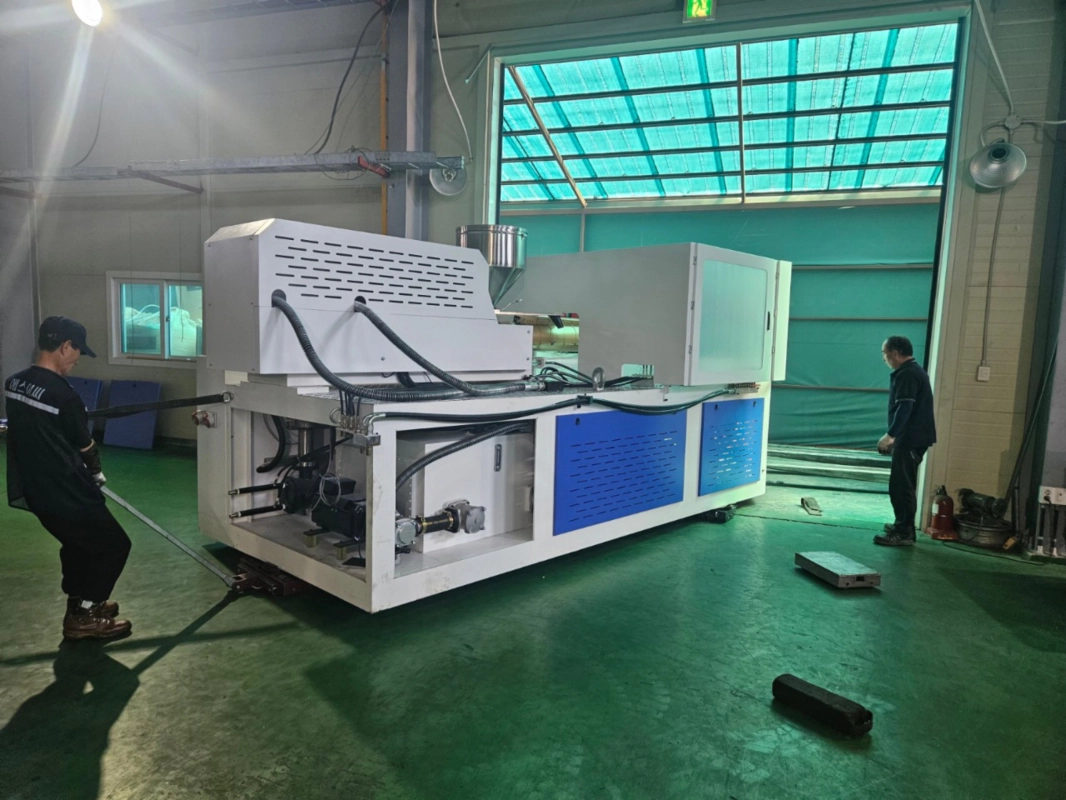
அதிக உற்பத்தித் திறன் கொண்ட ஊசி ஊது அச்சு இயந்திரம் EP80 800KN பிளாஷ் இல்லாத பாட்டில் அச்சு உபகரணம்
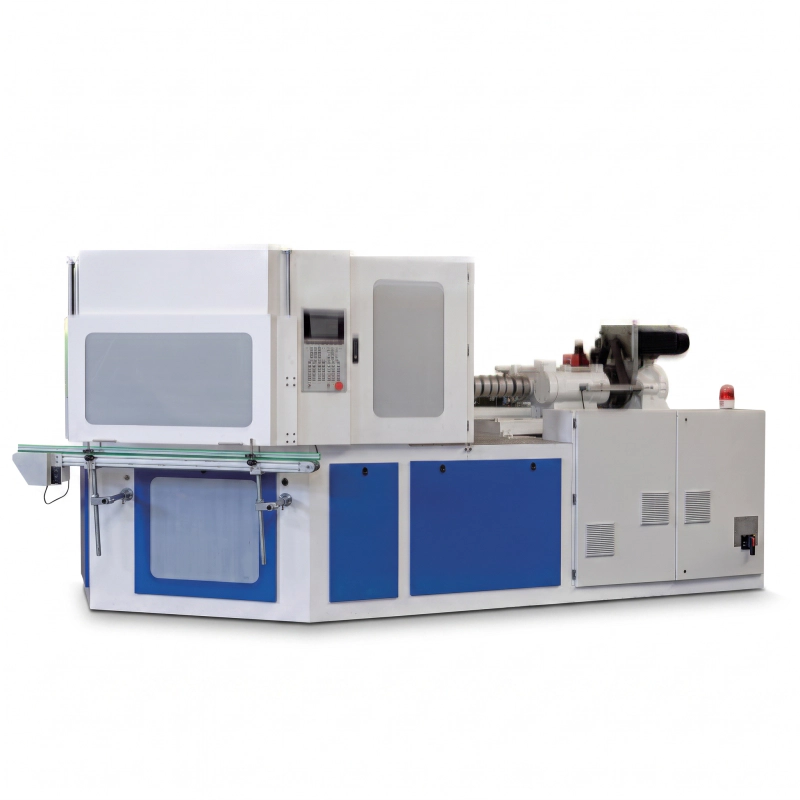
எவர் பவர் EP80 இன்ஜெக்ஷன் ப்ளோ மோல்டிங் இயந்திரம் 800KN இறுக்கும் விசை, 466 கிராம் ஊசி எடை, மற்றும் 10ml அளவில் 20 குழிகள் வரை உருவாக்கும் திறனை வழங்குகிறது. இரட்டை ஹைட்ராலிக் அமைப்பு தரநிலையாகவும், மோல்ட்-டவர் ஒத்திசைவுக்காக உயர்-துல்லியமான கோணப் பிரிப்பான் அம்சமும் இதில் உள்ளன. மருந்து, அழகுசாதனப் பொருட்கள் மற்றும் உணவுத் தொழில்களுக்காக 1-2000ml கொள்ளளவு கொண்ட பிளாஷ் இல்லாத பாட்டில்களை உற்பத்தி செய்கிறது. CE ISO சான்றிதழ், 4 வினாடி உலர்த்தும் சுழற்சி, 10 டன் திறன்.
எவர் பவர் EP80 ஒன்-ஸ்டெப் இன்ஜெக்ஷன் ப்ளோ மோல்டிங் மெஷின் என்பது என்ன?
எவர் பவர் EP80 என்பது துல்லியமான உள்ளீடற்ற கொள்கலன் உற்பத்திக்காக வடிவமைக்கப்பட்ட ஒரு முழுமையான தானியங்கி, ஒற்றை-படி IBM (இன்ஜெக்ஷன் ப்ளோ மோல்டிங்) இயந்திரமாகும். ஒரு பிரத்யேக injection blow molding machine manufacturerஎவர் பவர், தனது பல பத்தாண்டுகால கருவியமைப்பு மற்றும் செயல்முறை நிபுணத்துவத்தை இந்த மாடலில் ஒருமுகப்படுத்தியுள்ளது. இதன் மூலம், இயக்குபவரின் தலையீடு இன்றியும், இயந்திரங்களுக்கு இடையில் மூலப்பொருள் பரிமாற்றம் இன்றியும், மற்றும் எக்ஸ்ட்ரூஷன் ப்ளோ அமைப்புகளில் காணப்படும் பிளாஷ் மற்றும் ப்ரிட்டிங்-லைன் விரயம் இன்றியும், ப்ரீஃபார்ம் உட்செலுத்துதல் முதல் இறுதி ஊதுதல் மற்றும் வெளியேற்றுதல் வரையிலான முழு பாட்டில் உருவாக்கமும் ஒரே இயந்திர சுழற்சியில் நிறைவடையும் ஒரு இயந்திரத்தை வழங்கியுள்ளது.
இது ஒரு படி ஐபிஎம் இயந்திரம் பரிமாண நிலைத்தன்மைக்கு எந்தவித சமரசமும் தேவையில்லாத மருந்துப் புட்டி ஊதுதல் மற்றும் அழகுசாதனப் பொருள் கொள்கலன் உற்பத்திக்கு இதுவே விரும்பப்படும் தேர்வாகும். EP80-இல் உள்ள ஒவ்வொரு சுழற்சியும் ஒரே நேரத்தில் மூன்று செயல்பாடுகளை இயக்குகிறது: நிலையம் 1-இல் புதிய முன்வடிவங்கள் ஊசி வார்ப்பு செய்யப்படும்போது, முந்தைய தொகுதி நிலையம் 2-இல் இறுதி வடிவத்திற்கு ஊதப்படுகிறது, மேலும் நிலையம் 2-இலிருந்து முடிக்கப்பட்ட புட்டிகள் நிலையம் 3-இல் பிரிக்கப்பட்டு வெளிச்செல்லும் கன்வேயருக்கு அனுப்பப்படுகின்றன. இந்த மும்முனை இணையாக்கம் என்பது, உற்பத்தி வெளியீடானது ஊசி செலுத்துதல், ஊதுதல் மற்றும் வெளியேற்றுதல் ஆகியவற்றின் கூட்டுத்தொகையாக இல்லாமல், ஊசி செலுத்தும் சுழற்சி நேரத்திற்கு மட்டுமே சமமாக இருக்கும் என்பதாகும். இது சிறிய மற்றும் நடுத்தர அளவு கொள்கலன்களுக்கு, இரு-நிலை நீட்டிப்பு ஊதுதல் அமைப்புகளை விட EP80-க்கு ஒரு குறிப்பிடத்தக்க வெளியீட்டு நன்மையை அளிக்கிறது.
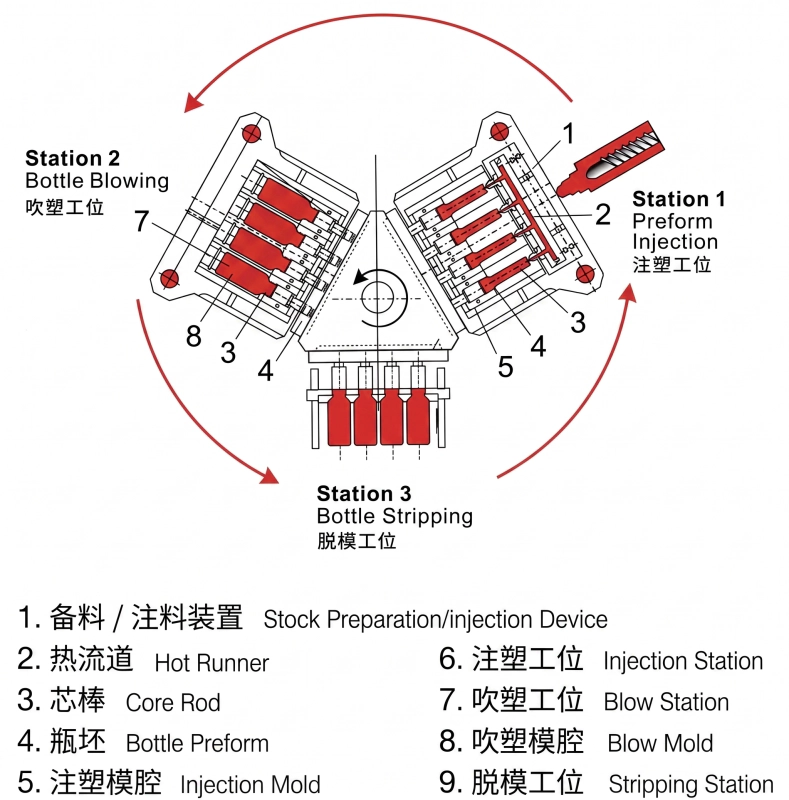
மூன்று-நிலைய செயல்முறை: EP80 செயல்படும் விதம்
நிலையம் 1 - முன்வடிவ ஊசி
பிளாஸ்டிக் துகள்கள் பீப்பாயில் உருக்கப்பட்டு, கட்டுப்படுத்தப்பட்ட அழுத்தத்தில் உட்செலுத்துக் குழிக்குள் செலுத்தப்படுகின்றன. புட்டியின் கழுத்து மற்றும் திருகு வடிவவியல் ஆகியவை உட்செலுத்து அச்சில் துல்லியமாக உருவாக்கப்படுகின்றன. உட்செலுத்து அச்சு திறக்க, சூடான முன்வடிவத்தைத் தாங்கிய அச்சு, சுழலும் கோபுரத்தின் வழியாக நிலையம் 2-க்கு மாற்றப்படுகிறது.
நிலையம் 2 - ஊது அச்சு
அச்சுக் கோளத்திலிருந்து வரும் அழுத்தப்பட்ட காற்றால் சூடான முன்வடிவம் ஊதப்படுகிறது. புட்டியின் வடிவம் முழுவதுமாக ஊது அச்சுக் குழியால் தீர்மானிக்கப்படுகிறது. காற்றானது, குளிர்விக்கப்பட்ட அச்சுச் சுவர்களுக்கு எதிராக முன்வடிவத்தை வெளிப்புறமாக ஊதுகிறது, மேலும் புட்டி அதன் இறுதிப் பரிமாணங்களை அடைகிறது. அச்சு திறக்கிறது, மேலும் சுழல் கோபுரம் நிலையம் 3-ஐ நோக்கி முன்னேறுகிறது.
நிலையம் 3 - வெளியேற்றுதல் மற்றும் கடத்துதல்
தயாரிக்கப்பட்டு, குளிர்விக்கப்பட்ட புட்டிகள் அச்சுகளிலிருந்து பிரிக்கப்பட்டு, வெளிச்செல்லும் கன்வேயரில் வெளியேற்றப்படுகின்றன. மூன்று நிலையங்களும் ஒரே நேரத்தில் செயல்படுவதால், இந்தச் சுழற்சி தொடர்ச்சியாக மீண்டும் மீண்டும் நிகழ்கிறது. இரண்டாம் நிலைச் செயல்பாடோ, ஃப்ளாஷ் நீக்கும் இயந்திரமோ, அல்லது புட்டிகளை மீண்டும் சூடாக்குவதோ தேவையில்லை - இந்த மூன்று செயல்பாடுகளும் ஒரே சுழற்சி நேரத்தைப் பகிர்ந்து கொள்கின்றன.
முக்கிய தொழில்நுட்ப அளவுருக்கள் - எவர் பவர் EP80
| அளவுரு | பொருள் (ஆங்கிலம்) | அலகு | EP80 |
|---|---|---|---|
| ஊசி அமைப்பு | |||
| திருகு விட்டம் | திருகு விட்டம் | மிமீ | 55 மிமீ |
| திருகு L/D விகிதம் | திருகு L/D | - | 22:1 |
| ஊசி எடை | ஊசி எடை | ஜி | 466 கிராம் |
| வெப்பமூட்டும் சக்தி | வெப்பமூட்டும் சக்தி | கே.டபிள்யூ. | 18 கிலோவாட் |
| பீப்பாய் வெப்பமூட்டும் மண்டலங்கள் | பீப்பாய் மண்டலங்களின் எண்ணிக்கை | - | 4+N |
| ஊசி போடும் அடி | ஊசி போடும் அடி | மிமீ | 180 மிமீ |
| இறுக்கும் அமைப்பு | |||
| ஊசி இறுக்க விசை | ஊசி செலுத்துதலின் இறுக்கும் விசை | கே.என். | 800 |
| ஊசி திறப்பு வீச்சு | ஊசி போடுவதற்கான தொடக்க அசைவு | மிமீ | 140 மிமீ |
| ஊது இறுக்க விசை | ஊதுதலின் இறுக்கும் விசை | கே.என். | 120 |
| அடி திறப்பு வீச்சு | ஊதுவதற்கான தொடக்க அசைவு | மிமீ | 140 மிமீ |
| கோபுரத்தின் உயரம் | சுழலும் மேசையின் தூக்கும் உயரம் | மிமீ | 70 மிமீ |
| அச்சு | |||
| அதிகபட்ச பிளேட்டன் அளவு (நீளம் x அகலம்) | அதிகபட்ச பிளேட்டன் அளவு (நீளம் x அகலம்) | மிமீ | 800x400 மிமீ |
| அச்சு தடிமன் | அச்சு தடிமன் | மிமீ | 280 மிமீ |
| அதிகபட்ச பாட்டில் விட்டம் | பாட்டிலின் விட்டம் | மிமீ | 120 மிமீ |
| மேக்ஸ்பாட்டில் உயரம் | பாட்டில் உயரம் | மிமீ | 220 மிமீ |
| பாட்டில் கொள்ளளவு வரம்பு | பொருத்தமான பாட்டில் அளவு | எம்.எல். | 1-2000 |
| ஸ்ட்ரிப்பிங் ஸ்ட்ரோக் | ஸ்ட்ரிப்பிங் ஸ்ட்ரோக் | மிமீ | 230 மிமீ |
| ஹைட்ராலிக் அமைப்பு | |||
| ஹைட்ராலிக் அழுத்தம் | ஹைட்ராலிக் அழுத்தம் | எம்.பி.ஏ. | 14 |
| மோட்டார் சக்தி | மோட்டார் சக்தி | கே.டபிள்யூ. | 18.5+18.5 கிலோவாட் |
| உலர்த்தும் சுழற்சி நேரம் | உலர் சுழற்சி | எஸ் | 4 |
| மொத்த சக்தி | மொத்த சக்தி | கே.டபிள்யூ. | 55 |
| இயக்க சக்தி | இயக்க சக்தி | % | 52-70 |
| பிற அளவுருக்கள் | |||
| அழுத்தப்பட்ட காற்று அழுத்தம் | குறைந்தபட்ச காற்று அழுத்தம் | எம்.பி.ஏ. | 0.7-1.2 |
| காற்று கொள்ளளவு | அழுத்தப்பட்ட காற்று கொள்ளளவு | M3/நிமிடம் | 0.7 |
| குளிரூட்டும் நீர் ஓட்டம் | நீர் ஓட்டம் | M3/h | 4 |
| குளிரூட்டும் நீர் அழுத்தம் | குளிரூட்டும் நீர் அழுத்தம் | எம்.பி.ஏ. | 0.3-0.4 |
| பரிமாணம் (நீளம் x அகலம் x உயரம்) | ஒட்டுமொத்த பரிமாணம் | எம் | 4.5x1.6x2 மீ |
| நிகர எடை | நிகர எடை | டன் | 10 டன் |
குறிப்பு: அனைத்து அளவுருக்களும் குறிப்புக்காக மட்டுமே. உபகரண மேம்பாடுகள் காரணமாக விவரக்குறிப்புகளை மாற்றியமைக்கும் உரிமை எவர் பவருக்கு உண்டு.
ஒரு கொள்கலன் கனஅளவிற்கான அதிகபட்ச வெற்றிட எண்ணிக்கை (EP80 - குறிப்பிற்காக)
| தொகுதி | 10மிலி | 30மிலி | 60மிலி | 100மிலி | 250மிலி | 500மிலி | 1000மிலி |
|---|---|---|---|---|---|---|---|
| அதிகபட்ச குழிகள் | 20 | 18 | 14 | 12 | 8 | 5-6 | 3-4 |
EP80 இன் மைய வன்பொருள் கட்டமைப்பு
முழு ஐரோப்பிய பாணி எஃகு சட்டகம்
CNC இயந்திரத்தால் செதுக்கப்பட்ட ஒற்றைக்கல் இயந்திரப் படுக்கை மற்றும் பிளேட்டன் தாங்கிகள், உட்செலுத்துதல் மற்றும் ஊதுதல் இறுக்கும் பிளேட்டன்களுக்கு இடையே இணைகோட்டுத்தன்மையை உறுதி செய்கின்றன. இணைப்புப் பட்டைகளின் மேற்பரப்புகள் தூண்டல் முறையில் கடினப்படுத்தப்பட்டுள்ளன. மேம்படுத்தப்பட்ட அழுத்தப்பட்ட இறுக்கும் கட்டமைப்பின் காரணமாக, EP80-இன் இறுக்கும் விசையானது, சம-டன் எடை கொண்ட போட்டியாளர்களை விட 20-301 டன்கள் அதிகமாக உள்ளது.
பைமெட்டாலிக் திருகு மற்றும் பீப்பாய்
பிளாஸ்டிசைசிங் யூனிட், பைமெட்டாலிக் லைனிங் செய்யப்பட்ட பேரல் மற்றும் கண்ணாடியிழை மற்றும் கனிமங்கள் நிரப்பப்பட்ட கலவைகளுக்காக மதிப்பிடப்பட்ட கடினப்படுத்தப்பட்ட அலாய் ஸ்க்ரூ ஆகியவற்றைப் பயன்படுத்துகிறது. 22:1 L/D விகிதத்தில் உள்ள 55 மிமீ EP80 ஸ்க்ரூ, 466 கிராம் ஷாட் கொள்ளளவுடன் முழுமையான ஒருபடித்தான தன்மையை வழங்குகிறது, இது இந்த டன்னேஜ் வகைக்கான அனைத்து பாட்டில் எடைகளையும் உள்ளடக்கியுள்ளது.
விகிதாசார வால்வு ஹைட்ராலிக் கட்டுப்பாடு
உட்செலுத்தல் அழுத்தம் மற்றும் ஊதுதல் அழுத்தம் ஆகிய இரண்டும் செர்வோ-விகிதாசார ஹைட்ராலிக் வால்வுகள் மூலம் ஒழுங்குபடுத்தப்படுகின்றன. இது, மெல்லிய சுவர்களுடைய முன்வடிவங்களுக்குப் பல-நிலை உட்செலுத்தல் விவரக்குறிப்பை (நிரப்பு வேகம், நிலைமாற்றம், பொதி அழுத்தம்) சாத்தியமாக்குகிறது. மேலும், ஒற்றை-நிலை ஊதுதல் வால்வு அமைப்புகளில் பொதுவாகக் காணப்படும் ஆர வலைப்பின்னல் குறைபாடுகளை நீக்கும் துல்லியமான ஊதுதல் அழுத்த சரிவுக் கட்டுப்பாட்டையும் இது வழங்குகிறது.
பிஎல்சி தொடுதிரை கட்டுப்பாட்டு அமைப்பு
EP80 கட்டுப்பாட்டுப் பலகமானது, அளவுரு செய்முறை சேமிப்பகத்துடன் கூடிய முழு வண்ண PLC தொடுதிரையைக் கொண்டுள்ளது. வெப்பநிலை, அழுத்தம், திசைவேகம், நேரம் போன்ற அனைத்து செயல்முறை மாறிகளும் ஒரே திரையில் இருந்து அமைக்கப்பட்டு கண்காணிக்கப்படுகின்றன. எச்சரிக்கை வரலாறு, உற்பத்தி எண்ணிக்கைகள் மற்றும் பிழைக் குறியீடுகள் ஆகியவை நிகழ்நேரத்தில் பதிவு செய்யப்பட்டு காட்டப்படுகின்றன.
மேம்படுத்தப்பட்ட ஹாட் ரன்னர் அமைப்பு
இன்ஜெக்ஷன் மோல்டின் ஹாட் ரன்னர் மேனிஃபோல்டானது, பூஜ்ஜிய டெட்-ஸோன் ஓட்டத்திற்காக வடிவமைக்கப்பட்டுள்ளது. இது அனைத்து குழிகளிலும் கிராம் எடை விலகல் குறைக்கப்படுவதை உறுதி செய்கிறது. பிளஸ் அல்லது மைனஸ் 1 டிகிரி வரையிலான வெப்பநிலை கட்டுப்பாட்டுத் துல்லியம், வெப்பத்தால் எளிதில் பாதிப்படையக்கூடிய பொருட்கள் சிதைவடைவதைத் தடுக்கிறது. மேலும், ஒளிபுகும் கொள்கலன்களில் சீரான தெளிவுக்கு இது இன்றியமையாததாகும்.
சிறப்பு மையத் தண்டு வடிவமைப்பு
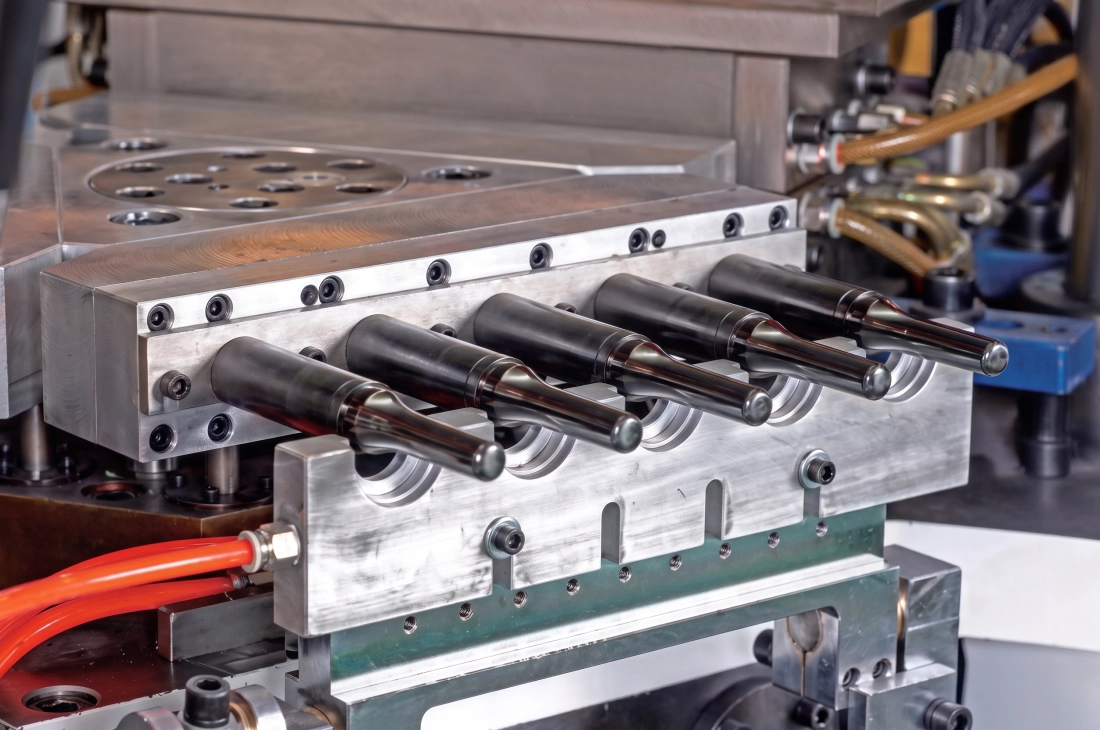
மேண்ட்ரல்கள் (மையத் தண்டுகள்) உட்செலுத்துதல் மற்றும் ஊதுதல் நிலையங்களுக்கு இடையில் மையத்தின் வெப்பநிலையைக் குறைத்து, குளிரூட்டும் கட்டத்தை விரைவுபடுத்தும் உள் குளிரூட்டும் வழிகளைக் கொண்டுள்ளன. வேகச் சுழற்சி மேண்ட்ரல்கள், முன்வடிவக் குளிரூட்டலின் சீரான தன்மை அல்லது பரிமாண நிலைத்தன்மையைப் பாதிக்காமல், EP80 கருவியானது 4 வினாடி உலர் சுழற்சியை அடைய உதவுகின்றன.
ஊசி ஊது வார்ப்பகம் மற்றும் பிதுக்கு ஊது வார்ப்பகம்: துல்லியமான கொள்கலன்களில் ஐபிஎம் ஏன் வெற்றி பெறுகிறது?
உள்ளீடற்ற கொள்கலன் உபகரணங்களை மதிப்பிடும் வாங்குபவர்கள், பெரும்பாலும் மூலதனச் செலவின் அடிப்படையில் மட்டுமே IBM மற்றும் EBM-ஐ ஒப்பிடுகின்றனர். EP80 என்பது ஒரு இயந்திரத் தேர்வை விட மேலானது - அது உங்கள் நீண்ட கால உற்பத்திப் பொருளாதாரத்தையும், உங்கள் ஆலை அடையக்கூடிய தரத்தின் உச்சவரம்பையும் தீர்மானிக்கும் ஒரு செயல்முறைத் தேர்வாகும். கீழே உள்ள ஒப்பீடு, ஆயிரம் புட்டிகளுக்கான உங்கள் செலவையும், மருந்து மற்றும் அழகுசாதனப் பொருட்கள் விநியோக ஒப்பந்தங்களைப் பெறுவதற்கான உங்கள் திறனையும் நேரடியாகப் பாதிக்கும் உண்மையான உற்பத்தி வேறுபாடுகளைப் பிரதிபலிக்கிறது.
| இல்லை. | ஒப்பீட்டுப் பொருள் | ஊசி ஊதுதல் (IBM) | வெளியேற்ற ஊதுதல் (EBM) |
|---|---|---|---|
| 1 | பாட்டில் எடை நிலைத்தன்மை | எடை மாறுபாடு தோராயமாக 1% | எடை மாறுபாடு தோராயமாக 3% |
| 2 | சுவர் தடிமன் சீரான தன்மை | சுவர் தடிமன் முழுவதும் சீராக உள்ளது | சுவர் தடிமன் 10-20% வரை மாறுபடும் |
| 3 | பாட்டில் கழுத்து / நூல் | பிளாஷ் இல்லை, கழுத்தில் பிரிப்புக் கோடு இல்லை. | வெட்டுத் தடம், பலவீனமான அடித்தளம் மற்றும் கழுத்து |
| 4 | அடிப்படை குவிவு | வலுவான நேர்மறை குவிவு, நிலையான அடித்தளம் | பிஞ்ச் வெல்டிங் காரணமாக பலவீனமான குவிவு |
| 5 | பொருள் கழிவுகள் | கழிவுகள் அற்றது - பிசிறுகளோ கழிவுகளோ இல்லை | பிஞ்ச் ஃப்ளாஷிலிருந்து கிடைத்த 20-40% ஸ்கிராப் |
| 6 | மிகவும் மெல்லிய சுவர் திறன் | மிகவும் மெல்லிய சுவர்களுக்கு அவ்வளவு பொருத்தமானதல்ல. | கட்டுப்படுத்தி மூலம் சுவரின் தடிமனை சரிசெய்யலாம். |
| 7 | சுற்றுச்சூழல் உணர்திறன் | சுற்றுப்புற மாற்றங்களுக்கு உணர்திறன் அற்றது | அடிக்கடி சரிசெய்தல் தேவைப்படுகிறது |
| 8 | குழி எண்ணிக்கை மற்றும் வெளியீடு | அதிக குழிவுறுதல், அதிக மகசூல், தட்டையான வாய் | குறைவான துளைகள், குறைந்த வெளியீடு, சீரற்ற கழுத்து |
| 9 | அச்சு ஆயுட்காலம் மற்றும் செலவு | அச்சின் நீண்ட ஆயுள், தொடர்ச்சியான அதிக உற்பத்திக்கு ஏற்றது. | குறைந்த அச்சு ஆயுட்காலம், குறைந்த ஆரம்பச் செலவு |
| 10 | கால்தடம் | கச்சிதமான ஒருங்கிணைந்த அமைப்பு, குறைந்த இடவசதி | கூடுதல் துணை உபகரணங்கள், பெரிய தரைப்பரப்பு |
| 11 | ஓவல் கொள்கலன் உருவாக்கம் | நீள்வட்ட வடிவங்களை உருவாக்குவது மிகவும் சவாலானது | நீள்வட்ட வடிவங்களை உருவாக்குவது எளிது |
EP80-க்கான பயன்பாட்டு புலங்கள் மற்றும் கொள்கலன் வகைகள்
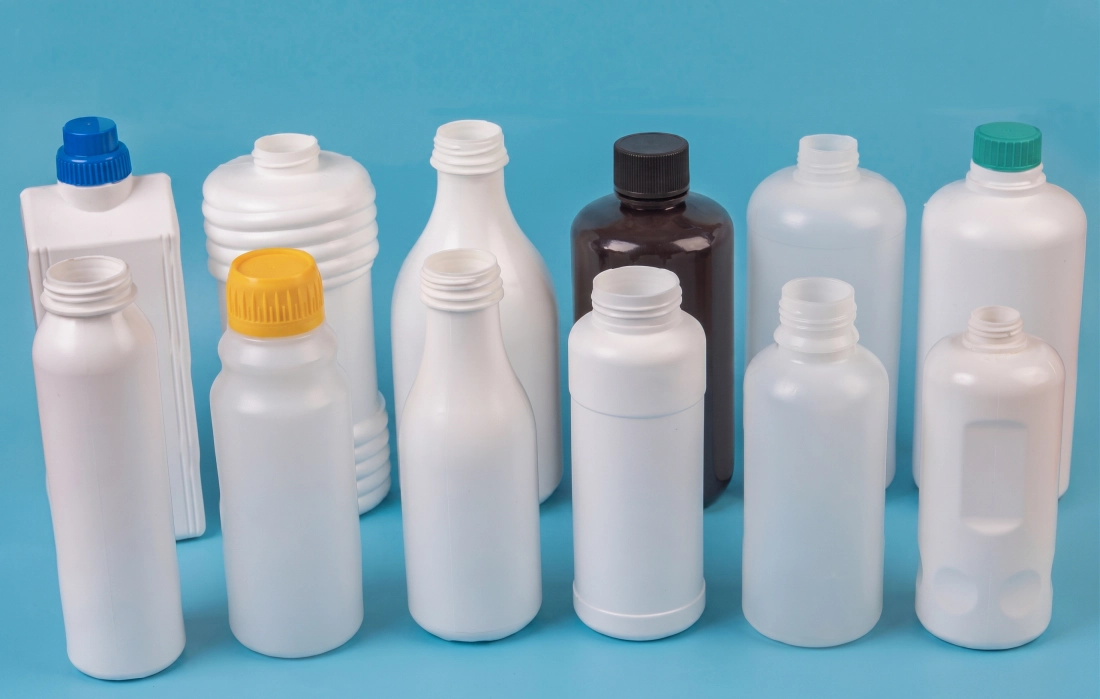
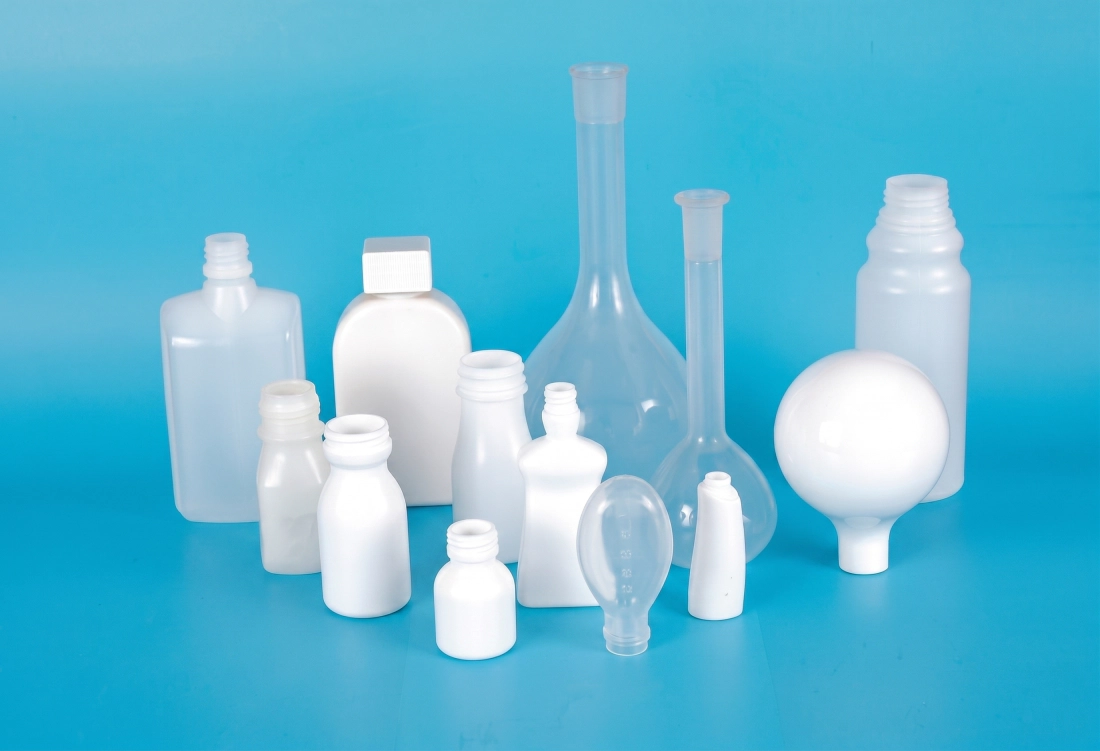
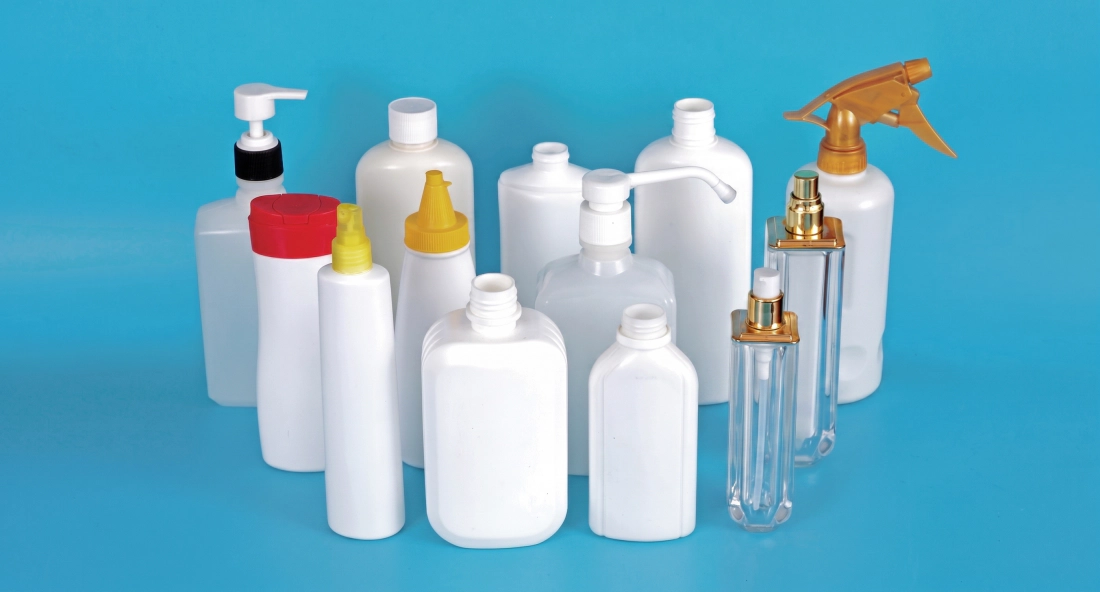
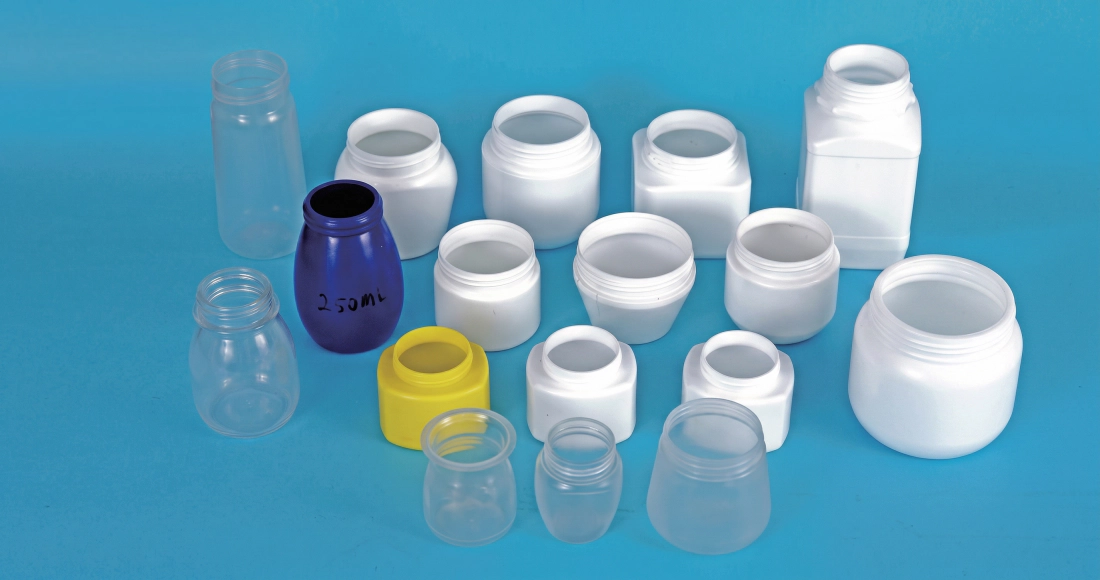
EP80 ஆனது, 1 மில்லி முதல் இந்த மாடலுக்கான அதிகபட்ச கொள்ளளவு வரையிலான பாட்டில்கள் மற்றும் கொள்கலன்களைத் தயாரிக்க வடிவமைக்கப்பட்டுள்ளது. இது நான்கு முக்கிய சந்தைத் துறைகளில் உள்ள அனைத்து வகையான முதன்மை பேக்கேஜிங் தேவைகளையும் பூர்த்தி செய்கிறது. கீழேயுள்ள அட்டவணை, இந்த மாடல் தேவைப்படும் கொள்கலன் வகைகள் மற்றும் தொழில் பிரிவுகளைக் காட்டுகிறது. தானியங்கி ஊசி ஊது அச்சு உபகரணங்கள் அதன் மிக உயர்ந்த வணிக வருவாயை வழங்குகிறது.
மருந்துத் தொழில்
- கண் சொட்டு மருந்து புட்டிகள் (LDPE, 5-30மிலி)
- வாய்வழி மாத்திரை மற்றும் காப்ஸ்யூல் புட்டிகள் (HDPE, 30-500மிலி)
- மூக்குத் தெளிப்பான் மற்றும் பம்ப் புட்டிகள் (PP)
- குழந்தைகள் திறக்க முடியாத மூடிகளுடன் கூடிய திரவ மருந்து பாட்டில்கள்
- தடுப்பூசி மற்றும் வினைப்பொருள் குப்பிகள் (LDPE, 1-20மிலி)
- GMP-தரமான அம்பர் மற்றும் வெள்ளை நிற HDPE மாத்திரை பாட்டில்கள்
அழகுசாதனப் பொருட்கள் தொழில்
- ரோல்-ஆன் டியோடரண்ட் அப்ளிகேட்டர் பாட்டில்கள் (PE, 50-100மிலி)
- மஸ்காரா குழாய்கள் மற்றும் குச்சி வடிவ பாட்டில்கள் (PP, 5-20மிலி)
- நகப்பூச்சு பாட்டில்கள் (PS, 10-30மிலி)
- லோஷன் மற்றும் சீரம் பம்ப் பாட்டில்கள் (PCTG, 30-200 மிலி)
- அகன்ற வாய் கொண்ட கிரீம் ஜாடிகள் (PP/PS)
- ஃபவுண்டேஷன் மற்றும் டோனர் பாட்டில்கள்
குழந்தை பொருட்கள் மற்றும் உணவு
- குழந்தை பால் புட்டிகள் (PP, PPSU, 150-300மிலி)
- குழந்தை ஃபார்முலா அள்ளும் பாட்டில்கள்
- தேன் மற்றும் பாகு கொள்கலன்கள் (LDPE)
- குறைந்த அளவு சிறப்பு பான கொள்கலன்கள்
- உண்ணக்கூடிய எண்ணெய் மாதிரி பாட்டில்கள்
- தயிர் மற்றும் பால் பொருட்கள் பேக்கேஜிங்
தினசரி இரசாயன மற்றும் தொழில்துறை
- ஷாம்பு மற்றும் கண்டிஷனர் பாட்டில்கள் (HDPE/PP)
- கை சுத்திகரிப்பான் மற்றும் லோஷன் வழங்கும் கருவிகள்
- வாகன திரவ மாதிரி பாட்டில்கள்
- விவசாய இரசாயன செறிவூட்டல் பாட்டில்கள்
- துப்புரவுப் பொருள் கொள்கலன்கள்
- துல்லியமான கழுத்துகளைக் கொண்ட தொழில்துறை வினைப்பொருள் பாட்டில்கள்
மூன்று-நிலைய சுழல் குறியீட்டுத் துல்லியம்: 120-டிகிரி பரிமாற்றத்தை வடிவமைத்தல்
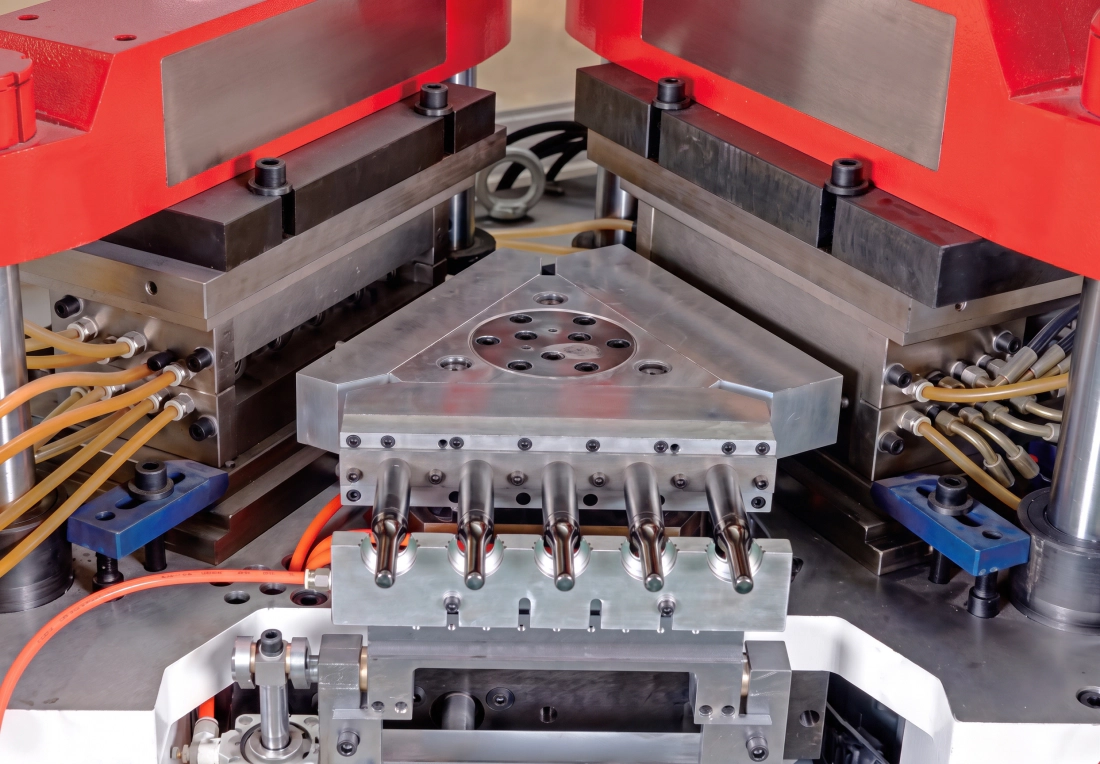
ஐபிஎம்-இன் ஒற்றை-படி செயல்முறையின் இதயம், சுழலும் சுழல் கோபுரமாகும். இது, உட்செலுத்துதல், ஊது அச்சு வார்த்தல் மற்றும் வெளியேற்றுதல் ஆகிய மூன்று 120-டிகிரி நிலைகள் வழியாக, அச்சு வரிசையை ஒரே நேரத்தில் கொண்டு செல்கிறது. EP80-இல், இந்த முக்கியமான இயந்திர அமைப்பானது, ஒரு சுழற்சிக்கு 0.02 டிகிரிக்கும் குறைவான நிலைத் திரும்பத் திரும்ப நிகழும் தன்மையை அடையும் உயர்-துல்லியமான கோணப் பிரிப்பானைப் பயன்படுத்துகிறது. இது, எந்திர மைய சுழல் மேசைத் தொழில்நுட்பத்திலிருந்து பெறப்பட்ட, ஒரு குறிப்பிட்ட நோக்கத்திற்காக உருவாக்கப்பட்ட குறியீட்டு அலகு ஆகும்.
இது ஏன் முக்கியம்? உட்செலுத்தும் நிலையத்திலிருந்து ஊதும் நிலையத்திற்கு சூடான முன்வடிவத்தைக் கொண்டு செல்லும் அச்சுக் கழிகளுடன், சில மில்லிமீட்டரின் பத்தில் ஒரு பங்கு துல்லியத்திற்குள் நேர்க்கோட்டில் அமைய வேண்டும். எந்தவொரு கோணப் பிழையும், முன்வடிவம் ஊதும் கழிக்குள் மையத்திலிருந்து விலகி நுழைவதைக் குறிக்கும். இதன் விளைவாக, சுவரில் சீரற்ற பரவல், குப்பியின் உடற்பகுதியில் மைய விலகல், அல்லது இதைவிட மோசமாக, அச்சுக் கழியின் சுவரில் மோதி கருவிக்கு சேதம் ஏற்படுதல் போன்ற பாதிப்புகள் உண்டாகும். EP80-இல் உள்ள நிலையான கோணப் பிரிப்பான், ஒரு சுழற்சிக்கு 4 வினாடிகள் என்ற உற்பத்தி வேகத்தில் கூட, ஹைட்ராலிக் வேகக்குறைப்புடன் இடமாற்றம் நிறைவடைவதை உறுதி செய்கிறது. இது, குறியீட்டு இயங்குமுறை மற்றும் அச்சு ஆகிய இரண்டிற்கும் இயந்திர அதிர்ச்சி ஏற்படுவதைத் தடுக்கிறது.
EP80 ஆனது டரெட்டின் உயர்வு மற்றும் சுழற்சியை ஒத்திசைக்கப்பட்ட இயக்கங்களாகச் செயல்படுத்துகிறது - டரெட், அச்சுப் பிரிப்புக் கோட்டைத் தாண்டி உயர்ந்து, அதே நேரத்தில் சுழல்கிறது, இது உற்பத்தி செய்யாத பரிமாற்ற நேரத்தை மிகக் குறைந்தபட்சத்திற்குக் குறைக்கிறது. இந்த மாடலில் தரநிலையாக உள்ள இரட்டை ஹைட்ராலிக் சுற்று என்பது, உட்செலுத்துதல் மற்றும் இறுக்கும் சுற்றுகள் சுயாதீனமாகச் செயல்படுகின்றன என்பதாகும், எனவே இறுக்கும் விசையின் உருவாக்கம், பிடித்து வைக்கும் கட்டத்தின் போது உட்செலுத்துதல் சுற்றில் அழுத்தக் குழப்பத்தை ஏற்படுத்தாது. இந்த பிரிப்பு, ஊதுதல் அழுத்தத்தின் மீது நுட்பமான விகிதாசார வால்வு கட்டுப்பாட்டையும் செயல்படுத்துகிறது; மெல்லிய சுவர்களுடைய LDPE பாட்டில்களை உருவாக்கும்போது இது மிகவும் முக்கியமானதாகும், ஏனெனில் 0.05 MPa அதிகப்படியான ஊதுதல் அழுத்தம் கூட வலைப்பின்னல் அல்லது தோள்பட்டை சிதைவை ஏற்படுத்துகிறது.
முதலீட்டு வருவாய் மற்றும் உற்பத்தித் திறன் பகுப்பாய்வு: EP80-ஐ ஏன் தேர்ந்தெடுக்க வேண்டும்?
EP80-இன் கொள்முதல் செலவானது, ஆயிரம் புட்டிகளுக்கான செலவு மற்றும் முதலீட்டைத் திரும்பப் பெறும் காலம் ஆகியவற்றைத் தீர்மானிக்கும், அளவிடக்கூடிய ஐந்து செயல்திறன் காரணிகளுடன் ஒப்பிட்டு மதிப்பிடப்பட வேண்டும். இந்த ஐந்து காரணிகளைக் கருத்தில் கொள்ளாமல், இயந்திரத்தின் விலையை மட்டும் மதிப்பிடும் கொள்முதல் பொறியாளர்கள், IBM தளத்தின் மதிப்பைத் திட்டமிட்டு குறைத்து மதிப்பிடுகின்றனர் மற்றும் தங்களின் இலக்குப் பயன்பாட்டிற்கான EBM பொருளாதாரத்தை மிகைத்து மதிப்பிடுகின்றனர்.
1. ஜீரோ ஃபிளாஷ் ஸ்கிராப்
IBM நிறுவனம் பிளாஷ் கழிவுகளையோ அல்லது பிஞ்ச்-லைன் கழிவுகளையோ உருவாக்குவதில்லை. EBM ஒவ்வொரு சுழற்சிக்கும் 20-401 டன் பாட்டில் எடையை கழிவாக உருவாக்குகிறது. ஆண்டுக்கு 200 டன் PP உற்பத்தி செய்யும் நிலையில், கழிவுகள் இல்லாத IBM நிறுவனம் ஆண்டுதோறும் 40-80 டன் ரெசினைச் சேமிக்கிறது. ஒரு டன்னுக்கு 1,500 அமெரிக்க டாலர் என்ற கணக்கில், ஒரே ஒரு இயந்திரத்தின் மூலம் மட்டும் ஆண்டுக்கு 60,000-120,000 அமெரிக்க டாலர் மதிப்புள்ள மூலப்பொருட்கள் சேமிக்கப்படுகின்றன.
2. ஒளிர்வு நீக்கும் தொழிலாளர் இல்லை
EBM-க்கு, இயந்திர வழி அல்லது கைமுறையான ஒரு இரண்டாம் நிலை டிஃப்ளாஷிங் செயல்பாடு தேவைப்படுகிறது. இது கூடுதல் தொழிலாளர் செலவு, இரண்டாவது இயந்திரத்தின் தேவை மற்றும் ஒரு கூடுதல் தரக்குறைபாட்டுப் புள்ளியை ஏற்படுத்துகிறது. EP80-இலிருந்து வரும் IBM பாட்டில்கள், நிரப்புவதற்கு அல்லது லேபிளிடுவதற்கு முன்பு எந்தவிதமான பிந்தைய செயலாக்கமும் தேவைப்படாமல் கன்வேயரிலிருந்து வெளிவருவதால், ஒரு ஷிப்டுக்கு 1-3 பணியாளர்கள் சேமிக்கப்படுகிறார்கள்.
3. குறுகிய உலர்த்தும் சுழற்சி செயல்திறன்
EP80 ஆனது 4 வினாடி உலர்த்தும் சுழற்சியை அடைகிறது. 60 மில்லிலிட்டர் கொள்ளளவு கொண்ட 14 குழிகளுடன், 6,000 மணிநேர இயக்க நேரத்தில் ஆண்டு உற்பத்தி 75.0 மில்லியன் பாட்டில்களைத் தாண்டுகிறது. சமமான உற்பத்தியைக் கொண்ட பல-இயந்திர EBM உற்பத்தி வரிசைகளுடன் ஒப்பிடுகையில், இந்த உற்பத்தித் திறனை ஒரே சிறிய இயந்திரத்தில் குவிப்பது, கொள்ளளவின் அலகுக்கான மொத்த சொத்து முதலீட்டைக் குறைக்கிறது.
4. விரைவான அச்சு மாற்றம்
EP80-இல் உள்ள இன்ஜெக்ஷன் மோல்டு மற்றும் ப்ளோ மோல்டு ஆகியவற்றை, பயிற்சி பெற்ற இரண்டு பேர் கொண்ட குழுவால் 2-4 மணி நேரத்தில் மாற்ற முடியும். PLC-இலிருந்து ரெசிபியை ரீகால் செய்யும் வசதி, மீண்டும் மீண்டும் செய்யப்படும் வேலைகளுக்கான செட்டப் நேரத்தை முழுவதுமாக நீக்குகிறது. ஒரே EP80-இல் 8-15 SKU-க்களை இயக்கும் ஆலைகள், வாரத்திற்கு 2-4 முறை மோல்டு மாற்றும் அதிர்வெண்ணை அடைகின்றன. மேலும், இந்த மோல்டு மாற்றத்திற்கான மொத்த செயல்தடை நேரம், கிடைக்கக்கூடிய உற்பத்தி நேரங்களில் 10%-க்கும் குறைவாகவே உள்ளது.
இடத் தேவை மற்றும் பயன்பாட்டுத் திறன்
4.5x1.6x2 மீட்டர் அளவிலான EP80-இன் தடம், உட்செலுத்துதல், ஊதுதல் மற்றும் வெளியேற்றுதல் ஆகியவற்றை ஒரே இயந்திர அமைப்பிற்குள் ஒருங்கிணைக்கிறது. இதை, சமமான உற்பத்தித்திறனுக்காக வழக்கமாக 3-4 மடங்கு அதிக தரைப்பரப்பை எடுத்துக்கொள்ளும் இரண்டு இயந்திரங்கள் கொண்ட EBM உற்பத்தி வரிசையுடன் (எக்ஸ்ட்ரூடர், ஊதுதல் இயந்திரம், டிஃப்ளாஷ் பிரஸ் மற்றும் கன்வேயர்) ஒப்பிட்டுப் பாருங்கள். 0.7-1.2 MPa அழுத்தத்தில் சுருக்கப்பட்ட காற்று, மணிக்கு 4 கன மீட்டர் (4 M3) பாய்வு விகிதத்தில் குளிர்விக்கும் நீர், மொத்தமாக 55 KW திறன் கொண்ட மின் இணைப்பு போன்ற பயன்பாட்டு இணைப்புகள் அனைத்தும் ஒற்றைப் புள்ளி இணைப்புகளாக இருப்பதால், நிறுவலின் சிக்கலான தன்மையும் தொடர்ச்சியான பராமரிப்புச் செலவுகளும் குறைகின்றன.
மருந்துத் தரத்திலான தூய்மை அறைச் சூழல்களில் தொழிற்சாலை கட்டுவதற்கான செலவு ஒரு சதுர மீட்டருக்கு 2,000-5,000 அமெரிக்க டாலர்கள் வரை எட்டக்கூடும். EP80-இன் கச்சிதமான வடிவமைப்பு, ஒரு குறிப்பிட்ட அளவு உற்பத்தியைச் செய்வதற்குத் தேவைப்படும் தூய்மை அறையின் பரப்பளவை நேரடியாகக் குறைக்கிறது. இது இயந்திர ஒப்பீட்டு அட்டவணைகளில் இடம்பெறாத ஒரு மூலதனப் பயனாகும், ஆனால் இது மொத்த திட்டப் பொருளாதாரத்தில் கணிசமான தாக்கத்தை ஏற்படுத்துகிறது.
EP தொடர் IBM அச்சுப் பண்புகள் மற்றும் வடிவமைப்புத் தரநிலைகள்
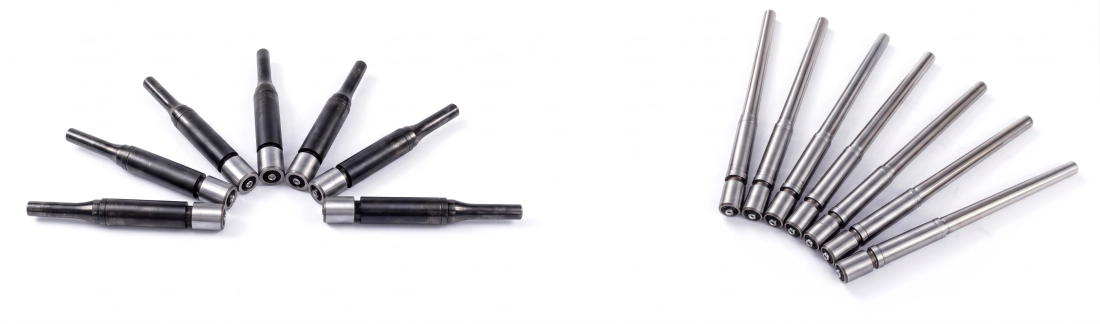
- ■செயல்திறன் மிக்க குழி மற்றும் கழுத்துத் தடுப்பு வடிவமைப்பு ஊசி அச்சு குழிகள் மற்றும் கழுத்துப் பகுதிகள் தனித்தனியாக சரிசெய்யக்கூடியவை, இது முழு அச்சுத் தொகுப்பையும் மாற்றாமல் முன்வடிவக் குழாய் உடலின் பரிமாணங்களை நுணுக்கமாக சரிசெய்ய அனுமதிக்கிறது. எண்ணெய் மற்றும் நீர் செல்லும் பாதைகள், நிலையான வெப்பநிலை விநியோகம் மற்றும் எளிதாகப் பிரித்தெடுப்பதற்காகவே பிரத்யேகமாக வடிவமைக்கப்பட்டுள்ளன.
- ■பிரீமியம் எஃகு தரங்கள் ஊசி அச்சு அமைப்புகள் 4Cr13 துருப்பிடிக்காத எஃகு அல்லது இறக்குமதி செய்யப்பட்ட உயர் வலிமை கொண்ட S136 கலப்பு எஃகைப் பயன்படுத்துகின்றன. S136 என்பது 52 HRC வரையிலான முழு கடினத்தன்மை கொண்ட, கண்ணாடி போன்ற பளபளப்பும் அரிப்பை எதிர்க்கும் திறனும் வாய்ந்த ஒரு எஃகு ஆகும். சிறந்த வெப்பக் கடத்துத்திறன் மற்றும் சுழலும் சுழல் கலத்தில் குறைக்கப்பட்ட நிலைம நிறைக்காக, ஊது அச்சு அமைப்புகளை மெக்னீசியம்-அலுமினியக் கலவையில் தயாரிக்கலாம்.
- ■உகந்த வெப்ப ரன்னர் மற்றும் முன்வடிவ வடிவமைப்பு ஹாட் ரன்னர் மேனிஃபோல்டானது, அனைத்துக் குழிகளிலும் கிராம் எடை விலகலைக் குறைக்கவும், ப்ரீஃபார்ம் அமைப்பின் சுவர் தடிமன் மாறுபாட்டைக் குறைக்கவும் வடிவமைக்கப்பட்டுள்ளது. மேண்ட்ரல் வடிவமைப்பானது, சீரான காற்று விநியோகத்தை உறுதிசெய்து, நிலையான ஊதுதல் விரிவாக்கத்தையும் விரைவான குளிரூட்டலையும் வழங்குகிறது.
- ■துல்லியமான கழுத்து நூல் மற்றும் சீல் பரிமாணங்கள் பாட்டிலின் வாய் உள் மற்றும் வெளி விட்டங்கள், திருகு இடைவெளி மற்றும் விளிம்பு வடிவியல் ஆகியவை வரைபடத் துல்லியத்திற்கு ஏற்ப இயந்திரத்தால் செதுக்கப்படுகின்றன. உற்பத்தி செய்யப்படும் மாதிரிகள் அனைத்திலும் மூடியின் காற்றுப்புகாத் தன்மை விகிதம் 100% ஆகும்.
- ■கழுத்து மற்றும் அடிப்பகுதியில் ஒளிப்பிழம்பு இல்லை. ஐபிஎம் செயல்முறை வடிவியல், பாட்டிலின் வாய்ப் பகுதியில் உள்ள பிரிப்புக் கோட்டுப் பிசிறையும், அடிப்பகுதியில் உள்ள பிஞ்ச்-வெல்ட் பிசிறையும் நீக்குகிறது. EP80-இலிருந்து வெளியே வரும்போது, பாட்டில்களின் இரு முனைகளையும் வெட்ட வேண்டிய அவசியம் இல்லை.
- ■தயாரிப்பு நிலைத்தன்மை அளவீடுகள் அளவு, எடை, பிரிப்புக் கோட்டின் நிலை மற்றும் சுவரின் தடிமன் ஆகியவை அனைத்துக் குழிகளிலும் மற்றும் உற்பத்தித் தொகுதிகளிலும் சீராக இருப்பதால், மருந்துத் துறை வாடிக்கையாளர்கள் 100% ஆய்வுக்கான கூடுதல் செலவின்றி, ஒவ்வொரு தொகுதிக்குமான புள்ளிவிவர அடிப்படையில் உற்பத்தியைச் சரிபார்க்க முடிகிறது.
உபகரணத் தேர்வு வழிகாட்டி: உங்கள் உற்பத்தித் தேவைகளுக்கு EP80 பொருத்தமானதா?
சரியான IBM டன்னேஜைத் தேர்ந்தெடுக்க, ப்ரீஃபார்ம் எடை, தேவைப்படும் குழிகளின் எண்ணிக்கை மற்றும் ஒரு மணி நேரத்திற்கான இலக்கு வெளியீடு ஆகிய மூன்று மாறிகளின் பொதுவான அளவைக் கணக்கிட வேண்டும். உங்கள் பயன்பாட்டிற்கு EP80 சரியான அளவில் உள்ளதா என்பதை உறுதிப்படுத்தவோ அல்லது அது எந்த உற்பத்தி அளவுருக்களை ஆதரிக்க முடியும் என்பதைப் புரிந்துகொள்ளவோ இந்தக் கட்டமைப்பைப் பயன்படுத்தவும்.
படி 1: முன்வடிவத்தின் எடையைக் கணக்கிடுங்கள்
இலக்கு பாட்டிலின் எடையை (கழுத்து, உடல் மற்றும் அடிப்பகுதி உட்பட) கிராமில் எடுத்துக் கொள்ளுங்கள். செயல்முறை மெத்தைக்காக 2-5%-ஐச் சேர்க்கவும். 466 கிராம் EP80 ஊசி எடை, (இலக்கு ப்ரீஃபார்ம் எடை x குழிகளின் எண்ணிக்கை) என்பதற்குச் சமமாகவோ அல்லது அதிகமாகவோ இருக்க வேண்டும். உதாரணமாக: 8 குழிகளில் உள்ள 5 கிராம் ப்ரீஃபார்மிற்கு 40 கிராம் ஷாட் எடை தேவைப்படுகிறது, இது 466 கிராம் கொள்ளளவிற்குள் நன்கு அடங்கும்.
படி 2: தேவையான பல் சொத்தை எண்ணிக்கையைக் கணக்கிடுங்கள்
இலக்கு வெளியீட்டை (ஒரு மணி நேரத்திற்கு பாட்டில்கள்) (3600 வினாடிகள் / சுழற்சி நேரம் வினாடிகளில்) ஆல் வகுத்தால் தேவையான குழிகளின் எண்ணிக்கை கிடைக்கும். 4 வினாடி சுழற்சி மற்றும் ஒரு மணி நேரத்திற்கு 10,000 பாட்டில்கள் என்ற இலக்கில்: 10,000 / (3600 / 4) = குறைந்தபட்சம் 12 குழிகள். உங்கள் பாட்டில் கொள்ளளவிற்கு EP80 இதை வழங்க முடியுமா என்பதை உறுதிப்படுத்த, மேலே உள்ள குழிகளின் அட்டவணையுடன் சரிபார்க்கவும்.
படி 3: அச்சுத் தட்டின் பொருத்தத்தைச் சரிபார்க்கவும்
ஊசி அச்சு தளவமைப்பு (குழி வரிசைத் தடம்) 800x400 மிமீ என்ற EP80 அதிகபட்ச பிளேட்டன் அளவிற்குள் பொருந்த வேண்டும். அகன்ற புட்டி (விட்டம் 120 மிமீக்கு மேல்) அல்லது உயரமான புட்டி (உயரம் 220 மிமீக்கு மேல்) பயன்பாடுகள் EP80 அச்சு வரம்பை மீறுவதால், அவற்றுக்கு ஒரு பெரிய மாடல் தேவைப்படுகிறது. குழிகளின் எண்ணிக்கையைக் குறிப்பிடுவதற்கு முன், உங்கள் புட்டியின் வெளி விட்டம் மற்றும் உயரத்தை உறுதிப்படுத்தவும்.
படி 4: மூலப்பொருள் மற்றும் உட்செலுத்தும் அழுத்தம்
LDPE-ஐ விட PP-க்கு அதிக உட்செலுத்தல் அழுத்தம் மற்றும் உருகு வெப்பநிலை தேவைப்படுகிறது. PC மற்றும் PETG-க்கு இன்னும் அதிக பீப்பாய் வெப்பநிலை மற்றும் நீண்ட தங்கு-நேர பிளாஸ்டிசைசேஷன் தேவைப்படுகிறது. EP80 ஹைட்ராலிக் அமைப்பின் 14 MPa அழுத்தம் மற்றும் 18.5+18.5 KW மோட்டார் ஆகியவை, மதிப்பிடப்பட்ட உட்செலுத்தல் எடையில் PP மற்றும் பொறியியல் தரப் பொருட்களுக்குத் தேவையான உட்செலுத்தல் விசைகளை ஆதரிக்கின்றன. ஆர்டர் செய்வதற்கு முன், உங்கள் ரெசின் விவரக்குறிப்பை EVER POWER பயன்பாட்டுக் குழுவிடம் உறுதிப்படுத்தவும்.
எவர் பவர் பயன்பாட்டுப் பொறியாளர்கள், EP80 விவரக்குறிப்புகளுக்கு எதிராக உங்கள் கொள்கலனின் பரிமாணங்கள், மூலப்பொருள், குழி எண்ணிக்கை மற்றும் உற்பத்தி இலக்கு ஆகியவற்றைச் சரிபார்க்க, விற்பனைக்கு முந்தைய இலவச தொழில்நுட்ப ஆலோசனையை வழங்குகிறார்கள். பொருத்தத்திற்கான எழுத்துப்பூர்வ உறுதிப்படுத்தலுக்கு, உங்கள் பாட்டில் வரைபடம் மற்றும் உற்பத்திச் சுருக்கத்துடன் எங்களைத் தொடர்பு கொள்ளுங்கள்.
இயந்திரக் கட்டமைப்பு மேலோட்டம் மற்றும் பராமரிப்பு வழிகாட்டுதல்கள்
EP80 ஆனது மூன்று முக்கிய செயல்பாட்டுத் தொகுதிகளை அடிப்படையாகக் கொண்டு கட்டமைக்கப்பட்டுள்ளது. உபகரணத்தின் முழு உற்பத்தி ஆயுட்காலம் முழுவதும், இயந்திரத்தின் செயல்திறன் அளவீடுகளான உலர்த்தும் சுழற்சி, வெளியீட்டு விகிதம் மற்றும் தயாரிப்புத் தரம் ஆகியவற்றைத் தக்கவைப்பதற்கு, அவற்றின் பராமரிப்புத் தேவைகளைப் புரிந்துகொள்வது அவசியமாகும்.
பாகம் 1 - உட்செலுத்தும் அலகு: திருகு, குழல், வெப்ப இயக்கி
உட்செலுத்தும் அலகு, பிளாஸ்டிக்கை உருக்கி, முன்வடிவக் குழிக்குள் அளந்து செலுத்துகிறது. தினசரிப் பராமரிப்பு: குழல் வெப்பநிலை விவரங்களை நிர்ணயிக்கப்பட்ட அளவுகளுடன் ஒப்பிட்டுச் சரிபார்க்கவும், திருகு முனை மற்றும் சோதனை வளையத்தில் தேய்மானக் குறிகாட்டிகள் உள்ளதா எனப் பரிசோதிக்கவும், மேலும் தொடங்குவதற்கு முன், சூடான ஓட்டப் பகுதி வெப்பநிலைகள் நிர்ணயிக்கப்பட்ட அளவுகளிலிருந்து 2 டிகிரிக்குள் இருப்பதை உறுதி செய்யவும். வாராந்திரம்: குழல் காப்புப் பட்டைகளைப் பரிசோதிக்கவும், உட்செலுத்தும் உருளையின் முத்திரைகளில் எண்ணெய் கசிவு உள்ளதா எனச் சரிபார்க்கவும், மேலும் முந்தைய உற்பத்தியிலிருந்து ஏற்பட்ட ஏதேனும் வண்ணக் கலப்படம் இருந்தால் அதை அகற்றவும். மாதாந்திரம்: சோதனை வளையம் மற்றும் திருகு முனை அமைப்பைக் கழற்றிச் சுத்தம் செய்யவும்; திருகு இறக்கைகளில் தேய்மானம் உள்ளதா எனப் பரிசோதிக்கவும் மற்றும் இடைவெளிக்காகக் குழல் துளையின் விட்டத்தை அளவிடவும். உருகல் வழிப்பாதை மற்றும் குண்டு எடை சீரற்ற தன்மையைத் தடுக்க, இடைவெளி உற்பத்தியாளரின் சகிப்புத்தன்மையை மீறினால் குழலை மாற்றவும்.
சுத்திகரிப்பு முறை: அடர் நிறங்களிலிருந்து வெளிர் நிறங்களுக்கு மாறும்போதோ அல்லது பொறியியல் ரெசினிலிருந்து வணிக ரெசினுக்கு மாறும்போதோ, புதிய பொருளின் செட் பாயிண்ட்டை விட 10 டிகிரி அதிகமுள்ள பேரல் வெப்பநிலையில் ஒரு வணிக சுத்திகரிப்பு கலவையைப் பயன்படுத்தவும். புதிய பொருளுக்கு மாறுவதற்கு முன் 5-10 சுத்திகரிப்பு ஷாட்களை இயக்கவும். சுத்திகரிப்பு செய்யாமல், செயலாக்க வெப்பநிலையில் 20 நிமிடங்களுக்கு மேல் பேரலை ஒருபோதும் சும்மா வைத்திருக்க வேண்டாம் - சும்மா இருக்கும் நேரங்களில் ஏற்படும் வெப்பச் சிதைவே, மீண்டும் தொடங்கும் போது கருப்புப் புள்ளி மாசுபடுதலுக்கு முதன்மைக் காரணமாகும்.
தொகுதி 2 - இறுக்கும் மற்றும் சுழலும் குறியீட்டு அலகு
கிளாம்பிங் சிஸ்டம் மற்றும் ரோட்டரி இன்டெக்சர் ஆகியவை மிக உயர்ந்த இயந்திரவியல் சுமைகளைத் தாங்குவதோடு, மிகவும் துல்லியமான நிலைப்படுத்தல் தேவைகளையும் கொண்டுள்ளன. தினசரி: உயவு அட்டவணைப்படி டை-பார் பரப்புகளிலும் ரோட்டரி டேபிள் கைடு ரெயில்களிலும் கிரீஸைப் பூசவும் (எவர் பவர் கிரீஸின் தரத்தைக் குறிப்பிடுகிறது - இயக்க வெப்பநிலையில் பாகுத்தன்மையை தக்கவைக்காத பொதுப் பயன்பாட்டு கிரீஸை மாற்றாகப் பயன்படுத்த வேண்டாம்). ராட் சீலில் எண்ணெய் கசிவு உள்ளதா என ஹைட்ராலிக் கிளாம்பிங் சிலிண்டரை ஆய்வு செய்யவும். இன்டெக்சிங் சுழற்சியின் போது அசாதாரணமான ஒலிகள் கேட்கிறதா எனக் கவனிக்கவும் - ஏதேனும் உலோகக் கிளிக் அல்லது தயக்கம் ஏற்பட்டால், ஆங்குலர் டிவைடர் பேரிங்கில் ஆய்வு தேவை என்பதைக் குறிக்கிறது.
மாதாந்திரம்: நான்கு டை-பார் நிலைகளில் டயல் இண்டிகேட்டரைப் பயன்படுத்தி பிளேட்டனின் இணைகோட்டுத்தன்மையைச் சரிபார்க்கவும்; 0.05 மிமீ-க்கு மேல் விலகல் இருந்தால், மீண்டும் ஷிம்மிங் செய்ய வேண்டும். டரெட்டில் உள்ள ஒரு குறிப்புப் பரப்பின் மீது டயல் இண்டிகேட்டரை வைத்து, தொடர்ந்து 100 இன்டெக்சிங் சுழற்சிகளுக்குப் பிறகு அதே நிலை 0.02 மிமீ-க்குள் மீண்டும் வருகிறதா என்பதைச் சரிபார்ப்பதன் மூலம் இன்டெக்சிங் நிலையின் துல்லியத்தைச் சோதிக்கவும். விலகல் காணப்பட்டால், மெக்கானிக்கல் ஸ்டாப்பைச் சரிசெய்யவும் அல்லது எவர் பவர் சேவையைத் தொடர்பு கொள்ளவும்.
தொகுதி 3 - நீரியல் அமைப்பு மற்றும் குளிரூட்டும் சுற்று
EP80-இன் ஆற்றல் முதுகெலும்பாக ஹைட்ராலிக் அமைப்பு விளங்குகிறது. அமைப்பின் அழுத்தம் 14 MPa-இல் அமைக்கப்பட்டுள்ளது. தினசரி: தொட்டியின் பார்வைக் கண்ணாடியில் ஹைட்ராலிக் எண்ணெய் அளவைச் சரிபார்க்கவும், எண்ணெய் வெப்பநிலைக் காட்சியைச் சரிபார்க்கவும் (இயல்பான இயக்க வரம்பு 40-55 டிகிரி செல்சியஸ்; 60 டிகிரிக்கு மேல் இருப்பது குளிரூட்டும் சுற்றில் சிக்கல் அல்லது வடிகட்டியில் அடைப்பைக் குறிக்கிறது), மேலும் கண்ணுக்குத் தெரியும் அனைத்து ஹைட்ராலிக் குழாய் இணைப்புகளிலும் கசிவு உள்ளதா எனப் பரிசோதிக்கவும். எண்ணெய் வடிகட்டி குறிகாட்டியை ஒவ்வொரு 250 மணி நேரத்திற்கும் ஒருமுறை சரிபார்க்க வேண்டும் - சிவப்பு நிறக் குறிகாட்டி தென்பட்டால், வடிகட்டி உறுப்பை உடனடியாக மாற்ற வேண்டும், தள்ளிப்போடக் கூடாது.
குளிரூட்டும் சுற்று: EP80 இயந்திரத்திற்கு 0.3-0.4 MPa அழுத்தத்திலும், 4 M3/h பாய்வு அளவிலும், சுத்தமான, படிவுகளற்ற குளிரூட்டும் நீர் தேவைப்படுகிறது. அச்சு குளிரூட்டும் குழாய்களுக்குள் கால்சியம் படிவுகள் உருவாவதைத் தடுக்க, இயந்திரத்திற்கு முன்பாக ஒரு நீர் சுத்திகரிப்பு அமைப்பை நிறுவவும். 6 மிமீ குழாயில் வெறும் 1 மிமீ படிவு ஏற்பட்டால் கூட, குளிரூட்டும் திறன் 30% க்கும் அதிகமாகக் குறைந்து, சுழற்சி நேரங்களை நீட்டித்து, வெளியீட்டையும் குறைக்கிறது. குளிரூட்டும் சுற்றுகளை ஆண்டுதோறும் படிவு நீக்கும் கரைசலைக் கொண்டு சுத்தப்படுத்தவும். குளிர்விப்பான் நீரின் தரம் நடுநிலை pH (6.5-7.5) ஆக இருக்க வேண்டும் மற்றும் செம்பு மற்றும் அலுமினிய உலோகக் கலவை அச்சுப் பொருட்களுடன் இணக்கமான அரிப்புத் தடுப்பானைக் கொண்டிருக்க வேண்டும்.
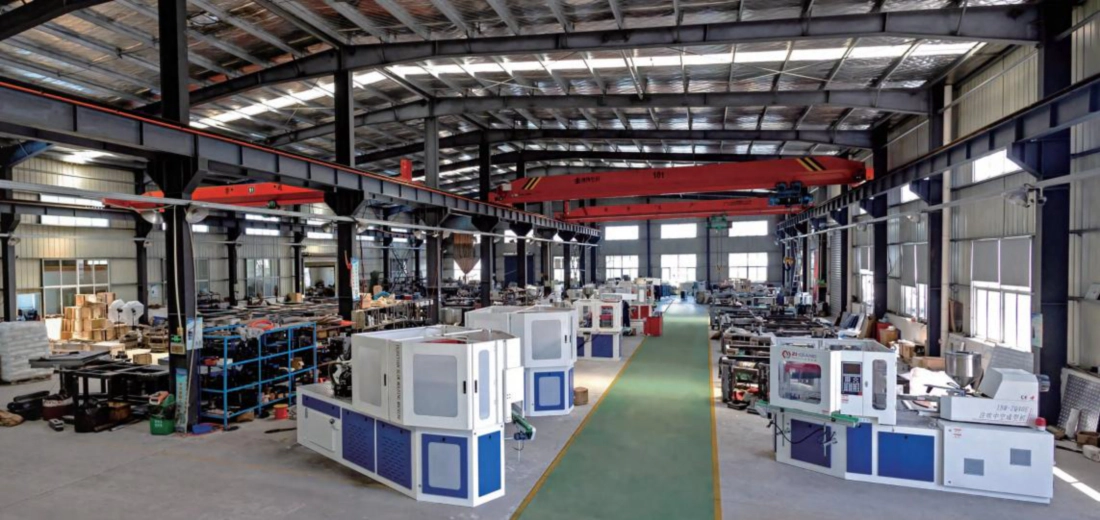
எவர் பவர் வழங்கும் முழுமையான தீர்வுகள் மற்றும் தனிப்பயனாக்குதல் சேவைகள்
எவர் பவர், EP80 இயந்திரத்தை ஒரு தனி இயந்திரமாகவோ அல்லது ஒரு முழுமையான ஆயத்த பாட்டில் உற்பத்தி வரிசையின் மையப் பகுதியாகவோ வழங்குகிறது. ஒரு புதிய ஆலையை அமைக்கும் அல்லது ஒரு புதிய கொள்கலன் தயாரிப்பு வரிசையில் விரிவடையும் வாடிக்கையாளர்களுக்கு, இந்த ஆயத்த அணுகுமுறையானது, IBM இயந்திரம், அச்சுகள், துணைக்கருவிகள் மற்றும் கீழ்நிலை உபகரணங்களை தனித்தனி விற்பனையாளர்களிடமிருந்து பெறுவதால் ஏற்படும் ஒருங்கிணைப்பு அபாயத்தை நீக்குகிறது.
அச்சு வடிவமைப்பு மற்றும் உற்பத்தி
எவர் பவர் பொறியாளர்கள், வாடிக்கையாளரின் பாட்டில் வரைபடங்கள் அல்லது 3D கோப்புகளிலிருந்து இன்ஜெக்ஷன் மற்றும் ப்ளோ மோல்ட் செட்களை உருவாக்குகின்றனர். S136 அல்லது 4Cr13 எஃகில் செய்யப்பட்ட பல-குழி ஹாட் ரன்னர் மோல்டுகள். அதிக-குழி உற்பத்தி கருவிகளைப் பயன்படுத்துவதற்கு முன்பு, கொள்கலன் சரிபார்ப்புக்காக முன்மாதிரி ஒற்றை-குழி மோல்டுகள் உருவாக்கப்படுகின்றன. ஏற்றுமதிக்கு முன்பு, தொழிற்சாலையில் T0 மோல்ட் சோதனைகள் நடத்தப்படுகின்றன.
துணை உபகரண ஒருங்கிணைப்பு
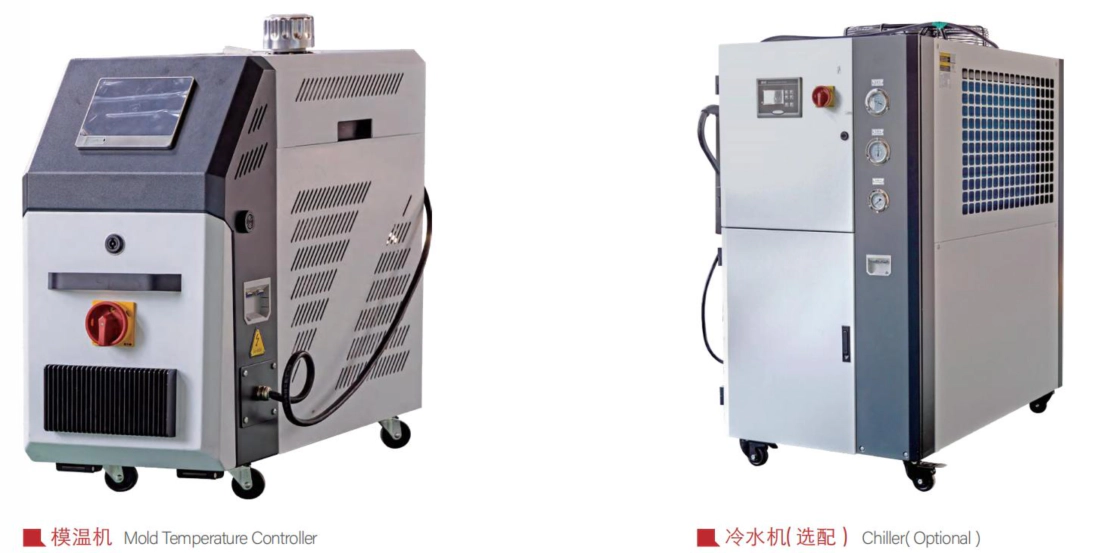
எவர் பவர் டர்ன்கீ தயாரிப்பு வரிசையில் பின்வருவன அடங்கும்: ஸ்க்ரூ ஏர் கம்ப்ரசர், ஏர் டேங்க் மற்றும் ஏர் டிரையர், மோல்ட் டெம்பரேச்சர் கண்ட்ரோலர், இண்டஸ்ட்ரியல் சில்லர், ஆட்டோ லோடர், கன்வேயர் பெல்ட், ஸ்கிரீன் பிரிண்டிங் மற்றும் லேபிளிங் சிஸ்டம், வாஷிங் மற்றும் டிரையிங் லைன், மற்றும் ஆட்டோமேட்டிக் ஃபில்லிங் மற்றும் கேப்பிங் இயந்திரங்கள். அனைத்து துணை உபகரணங்களும் EP80 வெளியீட்டு விகிதத்துடன் பொருந்துமாறு குறிப்பிடப்பட்டு, முன்பே ஒருங்கிணைக்கப்பட்டுள்ளன.
கீழ்நிலை தர அமைப்புகள்
விருப்பத்திற்கேற்ப வழங்கப்படும் இன்லைன் பாட்டில் காட்சி ஆய்வு இயந்திரம் (ஃப்ளாஷ், உருக்குலைவு மற்றும் மாசுபடுதலைக் கண்டறிவதற்கான இயந்திரப் பார்வை அமைப்பு), தானியங்கி கசிவு சோதனைக் கருவி, தானியங்கி பொதியிடும் இயந்திரம், மற்றும் அட்டைப்பெட்டி நிமிர்வி. மருந்து உற்பத்தித் தொடர்களுக்கு, EP80 கன்வேயரின் வெளியீட்டு வேகத்துடன் பொருந்தக்கூடிய ஒருங்கிணைந்த தொகுதிகளாக 100% இன்லைன் கசிவு சோதனை மற்றும் காட்சி ஆய்வு ஆகியவை கிடைக்கின்றன.
ஜிஎம்பி மற்றும் க்ளீன்ரூம் கட்டமைப்பு
GMP-தர உற்பத்தி தேவைப்படும் மருந்துத் துறை வாடிக்கையாளர்களுக்காக, எவர் பவர் நிறுவனம் பின்வரும் இயந்திரத் தனிப்பயனாக்கங்களை வழங்குகிறது: உற்பத்திப் பகுதி மாசுபடுவதைத் தடுப்பதற்கான மூடிய-அமைப்பு உயவு, துருப்பிடிக்காத எஃகு பாதுகாப்பு உறைகள், வகுப்பு 100,000 தூய்மை அறை இணக்கத்தன்மைக்கான HEPA-வடிகட்டப்பட்ட இயந்திர உறை, மற்றும் உபகரணத் தகுதிப்படுத்தல் (IQ/OQ/PQ) நெறிமுறைகளுக்கான ஆவண ஆதரவு.
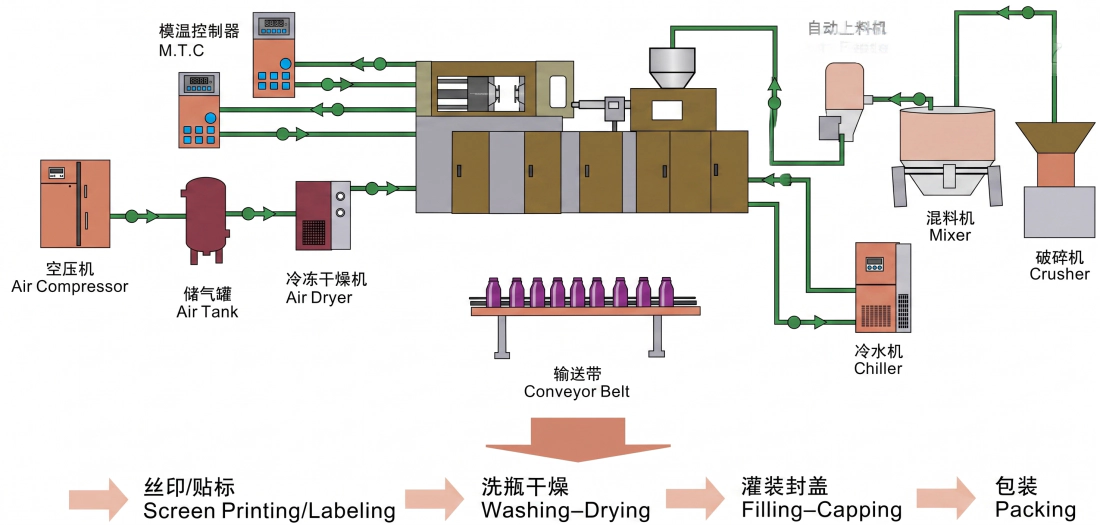
EP80 உடன் கிடைக்கும் துணை உபகரணங்கள்
தரக் கட்டுப்பாடு மற்றும் உற்பத்தித் தரநிலைகள்
முக்கியமான பாகங்களின் CNC இயந்திர வேலைப்பாடு
வடிவியல் துல்லியத்திற்கு உத்தரவாதம் அளிப்பதற்காக, இயந்திரப் படுக்கை, இறுக்கும் தட்டுகள் மற்றும் அனைத்து துல்லியமான மேற்பரப்புகளும் ஒரே அமைப்பில் CNC இயந்திரம் மூலம் செதுக்கப்படுகின்றன. தட்டின் இணைகோட்டுத்தன்மை 0.02 மிமீ துல்லியத்திற்கு லேசர் அளவீடு மூலம் சரிபார்க்கப்படுகிறது. தாங்கியில் குறுக்கீடு இல்லாத பொருத்தத்திற்காக, இணைப்புப் பட்டைத் துளைகள் H7 சகிப்புத்தன்மைக்கு மெருகூட்டப்படுகின்றன.
டை-பார் தூண்டல் கடினப்படுத்துதல்
இணைப்புக் கம்பிகள், 52-58 HRC மேற்பரப்புக் கடினத்தன்மைக்கு உயர் அதிர்வெண் தூண்டல் கடினப்படுத்தலுக்கு உட்படுத்தப்பட்டு, அதனைத் தொடர்ந்து துல்லியமாக அரைக்கப்படுகின்றன. இந்த மேற்பரப்புச் செயலாக்கம், மில்லியன் கணக்கான சுழற்சிகளுக்கு மேல் இறுக்கும் தகடுகளின் தொடர்ச்சியான நழுவும் உராய்வினால் ஏற்படும் தேய்மானத்தைத் தாங்கும் திறனை, உராய்வு அல்லது தேய்மானம் ஏற்படாமல் வழங்குகிறது.
ஹைட்ராலிக் சுற்று தூய்மை
அனைத்து ஹைட்ராலிக் சுற்றுகளும் பொருத்துவதற்கு முன்பு சுத்தப்படுத்தப்பட்டு, அழுத்தப் பரிசோதனை செய்யப்பட்டு, துகள் எண்ணிக்கை சரிபார்க்கப்படுகின்றன. ஹைட்ராலிக் எண்ணெயின் தூய்மை குறைந்தபட்சம் ISO 4406 வகுப்பு 17/15/12 அளவில் பராமரிக்கப்படுகிறது. வால்வு ஸ்பூல் ஒட்டிக்கொள்வதைத் தடுக்கவும், நகர்வைக் கட்டுப்படுத்தவும், விகிதாசார மற்றும் செர்வோ வால்வுகளின் மாசுபடும் உணர்திறனுக்கு இந்த அளவிலான தூய்மை அவசியமாகிறது.
72 மணி நேர தொழிற்சாலை இயக்கி சோதனை
ஒவ்வொரு EP80 இயந்திரமும் அனுப்பப்படுவதற்கு முன்பு, தொழிற்சாலையில் குறைந்தபட்சம் 72 மணிநேர தொடர்ச்சியான சுமையேற்ற இயக்கச் சோதனைக்கு உட்படுத்தப்படுகிறது. இந்தக் காலகட்டத்தில், உற்பத்தி செய்யப்பட்ட மாதிரிகளின் எடை நிலைத்தன்மை, சுவர் தடிமன் சீர்மை மற்றும் பரிமாணத் துல்லியம் ஆகியவை அளவிடப்படுகின்றன. குறிப்பிடப்பட்ட அளவிற்கு வெளியே உள்ள எந்தவொரு அளவுருவும் கண்டறியப்பட்டால், இயந்திரம் விநியோகத்திற்கு அனுமதிக்கப்படுவதற்கு முன்பு, ஒரு நிறுத்தம் மற்றும் திருத்த நடவடிக்கை எடுக்கப்படும்.
CE பாதுகாப்பு வழிகாட்டுதல்
EP80 ஆனது ஐரோப்பிய ஒன்றிய இயந்திரங்கள் வழிகாட்டு நெறிமுறைத் தேவைகளுக்கு இணங்க CE-குறியிடப்பட்டுள்ளது. பாதுகாப்பு அம்சங்களில் அடங்குபவை: ஹைட்ராலிக் சுற்று குறுக்கீட்டுடன் கூடிய ஒன்றோடொன்று இணைக்கப்பட்ட பாதுகாப்புக் கதவுகள், இயக்குபவர் அணுகும் பகுதியில் ஒளித்திரை பாதுகாப்பு, அனைத்து இயக்குபவர் நிலைகளிலும் அவசரகால நிறுத்தம், மற்றும் கைமுறையாக அச்சு அமைப்பதற்கான இருகை இயக்குபவர் கட்டுப்பாடு. ஒவ்வொரு இயந்திரத்துடனும் CE ஆவணங்கள் வழங்கப்படுகின்றன.
விற்பனைக்குப் பிந்தைய சேவை மற்றும் தொழில்நுட்ப ஆதரவு
நிறுவுதல் மற்றும் செயல்பாட்டுக்குக் கொண்டுவருதல்
எவர் பவர் நிறுவனத்தின் மூத்த பொறியாளர்கள், இயந்திரத்தை நிறுவுதல், செயல்பாட்டிற்குக் கொண்டுவருதல் மற்றும் ஏற்புச் சோதனைகளுக்குப் பொறுப்பானவர்கள். இயந்திரம் நிலையான உற்பத்தி நிலையை அடையும் வரை பொறியாளர் பணியிடத்திலேயே இருப்பார். மேலும், அனைத்து இயக்குபவர்களுக்கும் இயந்திரச் செயல்பாடு, அச்சு மாற்றம் மற்றும் வழக்கமான பராமரிப்பு ஆகியவற்றில் பயிற்சி அளிக்கப்படும். ஏற்பு அளவுகோல்கள், ஏற்றுமதிக்கு முன்பே ஒப்புக்கொள்ளப்பட்டு, செயல்பாட்டிற்குக் கொண்டுவரும் அறிக்கையில் ஆவணப்படுத்தப்படுகின்றன.
தடுப்பு பராமரிப்பு திட்டம்
எவர் பவர், பயன்பாட்டில் உள்ள அனைத்து இயந்திரங்களுக்கும் திட்டமிடப்பட்ட பராமரிப்பு நினைவூட்டல் சேவையை வழங்குகிறது. இந்தப் பராமரிப்பு நாட்காட்டி, தினசரி, வாராந்திர, மாதாந்திர மற்றும் வருடாந்திரப் பணிகளை உள்ளடக்கியுள்ளது. முன்கூட்டியே செய்யப்படும் பராமரிப்பு, திட்டமிடப்படாத பழுதுகளைத் தடுப்பதோடு, அதிக செலவுள்ள அவசர உதிரிபாக விநியோகத் தேவையையும் குறைக்கிறது. தடுப்புப் பராமரிப்பு அட்டவணையைப் பின்பற்றும் வாடிக்கையாளர்கள், இயந்திரத்தின் பயன்பாட்டு நேரம் 95%-க்கு மேல் இருப்பதாகத் தொடர்ந்து தெரிவிக்கின்றனர்.
24x7 சேவை ஹாட்லைன்
எவர் பவர் சேவை உதவி எண், வாரத்தில் 7 நாட்களும், 24 மணி நேரமும் செயல்படும். அவசர உற்பத்திப் பழுதுகளுக்கு, சேவை எண்ணிற்கு அழைக்கவும் அல்லது குறுஞ்செய்தி அனுப்பவும். தகுதிவாய்ந்த பொறியாளர் ஒருவர் 2 மணி நேரத்திற்குள் பதிலளித்து, தொலைவிலிருந்து சிக்கலைக் கண்டறிவார். உங்கள் இடத்திற்கே வந்து சேவை தேவைப்பட்டால், எவர் பவர் உங்கள் இருப்பிடத்திற்கு ஏற்ற குறைந்தபட்ச பதிலளிப்பு நேரத்துடன் ஒரு தொழில்நுட்ப வல்லுநரை அனுப்பும்.
உதிரி பாகங்களின் இருப்பு
எவர் பவர், ஹைட்ராலிக் சீல்கள், விகிதாசார வால்வு கார்ட்ரிட்ஜ்கள், வெப்பமூட்டும் பட்டைகள், வெப்பநிலை சென்சார்கள், டிரைவ் பெல்ட்கள் மற்றும் மின் பாகங்கள் உள்ளிட்ட அனைத்து EP80 கூறுகளுக்குமான ஒரு விரிவான உதிரிபாக இருப்பைப் பராமரிக்கிறது. கையிருப்பில் உள்ள பொருட்கள் 48 மணி நேரத்திற்குள் உலகளவில் அனுப்பப்படும். மிக விரைவாகத் தேய்வடையும் முக்கியமான பொருட்கள், எவர் பவரின் பரிந்துரைகளின் அடிப்படையில் வாடிக்கையாளரின் உள்ளூர் இருப்பில் கிடைக்கின்றன.
தொழில்நுட்பப் பயிற்சித் திட்டங்கள்
வழக்கமான நிறுவல் பயிற்சிக்கு அப்பால், எவர் பவர் நிறுவனம் இயந்திர இயக்கம், அச்சு செயல்முறை மேம்படுத்தல், அச்சு மாற்றம் மற்றும் அமைத்தல், ஹைட்ராலிக் அமைப்பு பராமரிப்பு, மற்றும் PP, LDPE, PCTG போன்ற குறிப்பிட்ட பொருட்களுக்கான செயல்முறைப் பழுதுநீக்கம் போன்ற பிரத்யேகப் பயிற்சித் தொகுதிகளை வழங்குகிறது. இந்தப் பயிற்சியை எவர் பவர் தொழிற்சாலையிலோ அல்லது வாடிக்கையாளரின் இடத்திலோ நடத்தலாம்.
அடிக்கடி கேட்கப்படும் கேள்விகள் - எவர் பவர் எபிசோட் 80
EP80 கருவியால் என்னென்ன பொருட்களைப் பதப்படுத்த முடியும்?
EP80 ஆனது HDPE, LDPE, PP, PS (லாக்டிக் அமில பாக்டீரியா தரம் கொண்ட ஒளிபுகும் PS உட்பட), ABS, EVA, உயிரி அடிப்படையிலான சோளப் பொருள், PCTG மற்றும் அதுபோன்ற வெப்ப நெகிழிகளுடன் இணக்கமானது. PC, PETG மற்றும் Tritan போன்ற பொறியியல் ரெசின்களுக்கு, 22:1 என்ற ஸ்க்ரூ L/D விகிதமும், 4+N வெப்பமூட்டும் மண்டலங்களும், முழுமையான, சிதைவற்ற நெகிழியாக்கத்திற்குத் தேவையான தங்கும் நேரம் மற்றும் வெப்பநிலை விவரத்தை வழங்குகின்றன. ஆர்டர் செய்வதற்கு முன், உங்கள் ரெசின் தரத்தை EVER POWER பயன்பாட்டுப் பொறியியலுடன் உறுதிப்படுத்திக்கொள்ளுங்கள்.
மருந்து GMP உற்பத்திக்கு EP80-ஐப் பயன்படுத்த முடியுமா?
ஆம். EP80 இயந்திரத்தை மருந்துத் தயாரிப்பு GMP உற்பத்திச் சூழல்களுக்கு ஏற்றவாறு கட்டமைக்க முடியும். GMP-ஐ ஆதரிக்கும் முக்கிய அம்சங்கள் பின்வருமாறு: இதன் ஒற்றை-படி செயல்முறை, இரு-படி அமைப்புகளில் மாசுபடும் அபாயத்தை ஏற்படுத்தும் இயந்திரங்களுக்கு இடையேயான பாட்டில் பரிமாற்றத்தை நீக்குகிறது; இதன் மூடிய உயவு அமைப்பு, தயாரிப்புப் பகுதியில் உயவுப் பொருள் மாசுபடுவதைத் தடுக்கிறது; மேலும், தூய்மையான அறையில் நிறுவுவதற்கு ஏற்ற துருப்பிடிக்காத எஃகு பாதுகாப்பு உறையுடன் இந்த இயந்திரத்தைக் குறிப்பிடலாம். மருந்துத் தயாரிப்பு வசதி சரிபார்ப்பிற்கான IQ/OQ/PQ தகுதிச் செயல்முறைகளை ஆதரிக்க, EVER POWER நிறுவனம் உபகரண ஆவணங்களை வழங்க முடியும்.
EP80-ல் அச்சு மாற்றத்திற்கு எவ்வளவு நேரம் ஆகும்?
பயிற்சி பெற்ற இருவர் கொண்ட குழு ஒன்று, அச்சின் வடிவமைப்பு மற்றும் குழுவின் அச்சு மாற்றும் அனுபவத்தைப் பொறுத்து, EP80 இயந்திரத்தில் ஒரு முழுமையான அச்சு மாற்றத்தை (ஊசி அச்சு, ஊது அச்சு மற்றும் அச்சுத்தண்டு அமைப்பு) சுமார் 2-4 மணி நேரத்தில் செய்து முடிக்க முடியும். பிஎல்சி செய்முறை மீட்டெடுப்பு வசதி, மீண்டும் மீண்டும் அச்சுகளை அமைக்கும்போது அளவுருக்களை மீண்டும் உள்ளிடும் நேரத்தை நீக்குகிறது. அச்சின் அடிப்பாகத்திற்காக விரைவாக விடுவிக்கும் இறுக்கும் தகடுகளில் முதலீடு செய்யும் ஆலைகள், அச்சு மாற்றும் நேரத்தை 2 மணி நேரத்திற்கும் குறைவாகக் குறைக்க முடியும்.
EP80 என்னென்ன சான்றிதழ்களைக் கொண்டுள்ளது?
EP80 ஆனது ஐரோப்பிய சந்தைக்காக CE-குறியிடப்பட்டுள்ளது. இந்த இயந்திரத்தின் வடிவமைப்பு, ஒன்றோடொன்று இணைக்கப்பட்ட பாதுகாப்பு அமைப்புகள், அவசரகால நிறுத்த அமைப்புகள் மற்றும் மின்சாரப் பாதுகாப்புத் தரநிலைகள் உள்ளிட்ட ஐரோப்பிய ஒன்றிய இயந்திர வழிகாட்டுதலின் பாதுகாப்புத் தேவைகளுக்கு இணங்குகிறது. எவர் பவர் ஒரு ISO-சான்றளிக்கப்பட்ட உற்பத்தியாளர் ஆகும். இயந்திர ஆவணங்கள் ஆங்கிலத்தில் வழங்கப்படுகின்றன, மேலும் ஏற்றுமதி சந்தைகளுக்காகக் கோரிக்கையின் பேரில் பிற மொழிகளிலும் வழங்கப்படலாம்.
EP80 மற்றும் அதனுடன் தொடர்புடைய அச்சுத் தொகுப்பிற்கான தயாரிப்பு நேரம் என்ன?
EP80 இயந்திரத்திற்கான வழக்கமான விநியோக நேரம், ஆர்டர் உறுதிப்படுத்தல் மற்றும் முன்பணம் பெற்ற நாளிலிருந்து, ஆர்டர் செய்யும் நேரத்தில் உள்ள உற்பத்தி அட்டவணையைப் பொறுத்து 45-75 நாட்கள் ஆகும். பாட்டில் வரைபடங்கள் மற்றும் மூலப்பொருள் விவரக்குறிப்புகளின் இறுதி உறுதிப்படுத்தலிலிருந்து, அச்சுத் தொகுப்புகள் பொதுவாக 60-90 நாட்களில் வழங்கப்படும். ஒருங்கிணைந்த நிறுவலுக்காக, இயந்திரம் மற்றும் அச்சுத் தொகுப்புகள் ஒரே நேரத்தில் வந்து சேருமாறு திட்டமிடப்படலாம். விசாரணை செய்யும் நேரத்தில் தற்போதைய விநியோக நேரத்தை அறிய EVER POWER-ஐத் தொடர்பு கொள்ளவும்.
உங்கள் உற்பத்தி வரிசைக்கு எவர் பவர் EP80-ஐப் பரிந்துரைக்கத் தயாரா?
உங்கள் பாட்டில் வரைபடம், இலக்கு கொள்ளளவு, மூலப்பொருள் விவரக்குறிப்பு மற்றும் ஒரு மணி நேரத்திற்குத் தேவைப்படும் வெளியீடு ஆகியவற்றை எங்கள் பயன்பாட்டுப் பொறியியல் குழுவிற்கு அனுப்பவும். நாங்கள் சரியான குழி எண்ணிக்கை மற்றும் இயந்திர உள்ளமைப்பை எழுத்துப்பூர்வமாக உறுதிசெய்து, 3 வேலை நாட்களுக்குள் ஒரு விரிவான வணிக முன்மொழிவை வழங்குவோம்.
கூடுதல் தகவல்
| திருத்தப்பட்டது | ஹைவ் மூலம் |
|---|
தொடர்புடைய தயாரிப்புகள்
-
EP60HE அதிவேக முழு மின்சார ஊசி ஊது அச்சு இயந்திரம், ஹைட்ராலிக் இல்லாத 2.5 வினாடி சுழற்சி
-
அழகுசாதனப் பொருட்கள் மற்றும் மருந்துப் புட்டிகளுக்கான கனரக ஊசி ஊது அச்சு இயந்திரம் EP135 1350KN உயர்-குழி IBM
-
அதிக கொள்ளளவு கொண்ட பாட்டில்களுக்கான தொழில்துறை ஊசி ஊது அச்சு இயந்திரம் EP110 1100KN தானியங்கி IBM உபகரணம்
-
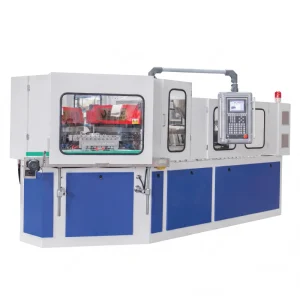
தானியங்கி ஒரு-படி ஊசி ஊது அச்சு இயந்திரம் EP60 600KN மருந்து அழகுசாதனப் புட்டி உற்பத்தியாளர்
-
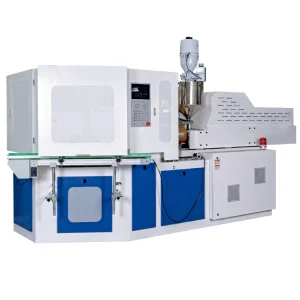
மருந்து மற்றும் அழகுசாதனப் பாட்டில்களுக்கான தானியங்கி ஒற்றை-படி ஊசி ஊது அச்சு இயந்திரம் EP40 400KN CE ISO