
Industrial Injection Blow Molding Machine EP110 1100KN Automatic IBM Equipment for Large Volume Bottles
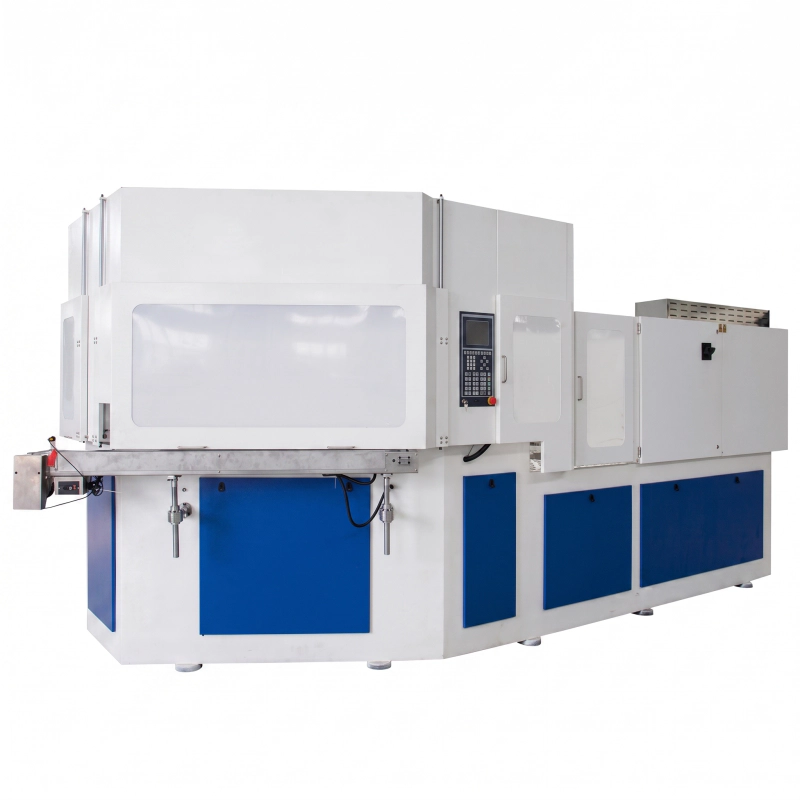
EVER POWER EP110 injection blow molding machine delivers 1100KN clamping force, 540g injection weight and up to 24 cavities for 10ml bottles. Standard dual hydraulic system, high-precision angle divider, 4s dry cycle. Suitable for 1-2000ml pharmaceutical, cosmetic and daily chemical containers. 15 Ton, CE ISO, 80KW total power.
What Is the EVER POWER EP110 One-Step Injection Blow Molding Machine?
The EVER POWER EP110 is a fully automatic one-step IBM (Injection Blow Molding) machine engineered for precision hollow container production. As a dedicated injection blow molding machine manufacturer, EVER POWER has concentrated decades of tooling and process expertise into this model, delivering a machine where the entire bottle - from preform injection to final blowing to ejection - is completed in a single machine cycle without operator intervention, without material transfer between machines, and without the flash and parting-line waste that characterize extrusion blow systems.
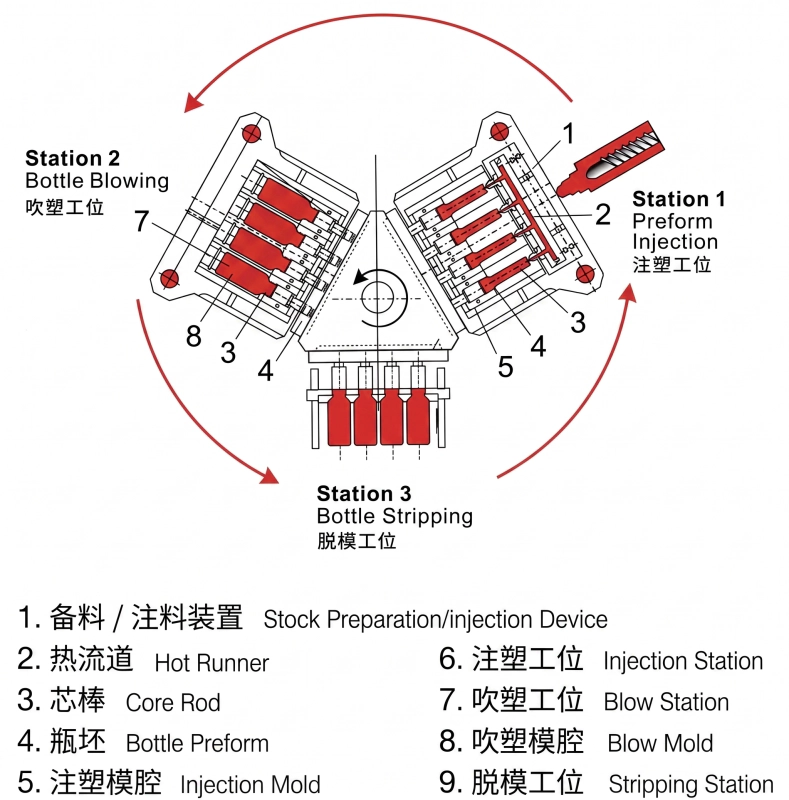
Ini one step IBM machine is the preferred choice for pharmaceutical bottle blowing and cosmetic container manufacturing where dimensional consistency is non-negotiable. Each cycle on the EP110 runs three simultaneous operations: while new preforms are being injection-molded at Station 1, the previous batch is being blown to final shape at Station 2, and the completed bottles from Station 2 are being stripped and conveyed to the outfeed conveyor at Station 3. This triaxial parallelism means the productive output equals the injection cycle time alone - not the sum of injection plus blowing plus ejection - giving the EP110 a significant throughput advantage over two-stage stretch blow systems for small and medium volume containers.
Three-Station Process: How the EP110 Works
Station 1 - Preform Injection
Plastic granules are melted in the barrel and injected into the injection cavity under controlled pressure. The bottle neck and thread geometry are formed precisely in the injection mold. The injection mold opens and the mandrel carrying the hot preform transfers to Station 2 via the rotary turret.
Station 2 - Blow Molding
The hot preform is inflated by compressed air from the mandrel core. The bottle shape is determined entirely by the blow mold cavity. Air inflates the preform outward against the cooled mold walls, and the bottle assumes its final dimensions. The mold opens and the turret advances to Station 3.
Station 3 - Ejection and Conveying
The finished, cooled bottles are stripped from the mandrels and discharged onto the outfeed conveyor. Since all three stations operate simultaneously, the cycle repeats continuously. There is no secondary operation, no deflashing press, and no bottle reheating required - the three operations share one cycle clock.
Main Technical Parameters - EVER POWER EP110
| Parameter | Item (EN) | Unit | EP110 |
|---|---|---|---|
| Injection System | |||
| Diameter Skru | Diameter Skru | mm | 65 mm |
| Screw L/D Ratio | Screw L/D | - | 22:1 |
| Injection Weight | Injection Weight | g | 540 g |
| Kuasa Pemanasan | Kuasa Pemanasan | KW | 20 KW |
| Barrel Heating Zones | Number of Barrel Zones | - | 5+N |
| Injection Stroke | Injection Stroke | mm | 200 mm |
| Clamping System | |||
| Injection Clamp Force | Clamping Force of Injection | KN | 1100 |
| Injection Opening Stroke | Opening Stroke for Injection | mm | 140 mm |
| Blow Clamp Force | Clamping Force of Blowing | KN | 150 |
| Blow Opening Stroke | Opening Stroke for Blowing | mm | 140 mm |
| Tower Lift Height | Lifting Height of Rotary Table | mm | 70 mm |
| Mould | |||
| Max Platen Size (LxW) | Max Platen Size (L x W) | mm | 1100x460 mm |
| Mould Thickness | Mould Thickness | mm | 280 mm |
| Diameter Botol Maksimum | Dia. of Bottle | mm | 120 mm |
| Max Bottle Height | Ketinggian Botol | mm | 220 mm |
| Bottle Volume Range | Suitable Bottle Volume | ml | 1-2000 |
| Stripping Stroke | Stripping Stroke | mm | 260 mm |
| Hydraulic System | |||
| Hydraulic Pressure | Hydraulic Pressure | MPa | 14 |
| Kuasa Motor | Kuasa Motor | KW | 22+22 KW |
| Dry Cycle Time | Dry Cycle | S | 4 |
| Kuasa Keseluruhan | Kuasa Keseluruhan | KW | 80 |
| Operating Power | Operating Power | % | 52-70 |
| Other Parameters | |||
| Compressed Air Pressure | Min Air Pressure | MPa | 0.7-1.2 |
| Air Capacity | Compressed Air Capacity | M3/min | 0.7 |
| Cooling Water Flow | Water Flowage | M3/h | 4 |
| Tekanan Air Penyejuk | Tekanan Air Penyejuk | MPa | 0.3-0.4 |
| Dimension (L x W x H) | Overall Dimension | M | 5x1.8x2.2 M |
| Net Weight | Net Weight | Tan | 15 Ton |
Note: All parameters are for reference only. EVER POWER reserves the right to modify specifications due to equipment improvements.
Max Cavity Count per Container Volume (EP110 - For Reference)
| Volume | 10ml | 30ml | 60ml | 100ml | 250ml | 500ml | 1000ml |
|---|---|---|---|---|---|---|---|
| Max Cavities | 24 | 22 | 18 | 14 | 10 | 8 | 6 |
Core Hardware Architecture of the EP110
Full European-Style Steel Frame
CNC-machined monolithic machine bed and platen mounts ensure parallelism between injection and blow clamping platens. Tie-bar surfaces are induction-hardened. The EP110 clamping force is 20-30% above equivalent-tonnage competitors due to the boosted pressurized clamping structure.
Bimetallic Screw and Barrel
The plasticizing unit uses a bimetallic-lined barrel and a hardened alloy screw rated for glass-fiber and mineral-filled compounds. The EP110 screw diameter of 65 mm at 22:1 L/D delivers thorough homogenization with a 540 g shot capacity, covering the full range of bottle weights for this tonnage class.
Proportional Valve Hydraulic Control
Both injection pressure and blow pressure are regulated through servo-proportional hydraulic valves. This allows multi-stage injection profiling (fill velocity, switchover, pack pressure) for thin-walled preforms, and precise blow pressure ramp control that eliminates the radial webbing defects common in single-stage blow valve systems.
PLC Touch-Screen Control System
The EP110 control panel runs a full-color PLC touch-screen with parameter recipe storage. All process variables - temperatures, pressures, velocities, timings - are set and monitored from a single screen. Alarm history, production counters and fault codes are logged and displayed in real time.
Optimized Hot Runner System
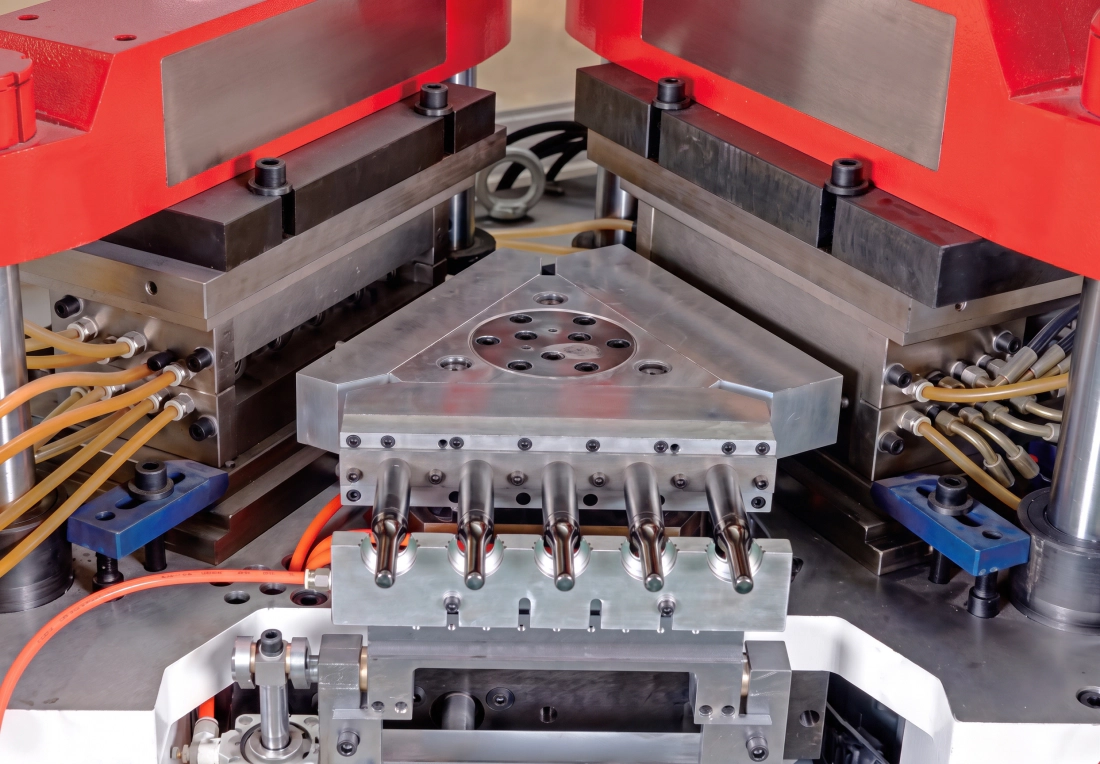
The injection mold hot runner manifold is designed for zero dead-zone flow, ensuring gram weight deviation across all cavities is minimized. Temperature control accuracy to plus or minus 1 degree prevents degradation of heat-sensitive materials and is essential for consistent clarity in transparent containers.
Special Core Rod Design
The mandrels (core rods) feature internal cooling channels that reduce core temperature between the injection and blow stations, accelerating the cooling phase. Fast-cycle mandrels enable the EP110 to achieve a 4 S dry cycle without sacrificing preform cooling uniformity or dimensional stability.
Injection Blow Molding vs. Extrusion Blow Molding: Why IBM Wins for Precision Containers
Buyers evaluating hollow container equipment often compare IBM and EBM on capital cost alone. The EP110 is more than a machine choice - it is a process choice that determines your long-term production economics and the quality ceiling your facility can achieve. The comparison below reflects real production differences that directly affect your cost per thousand bottles and your ability to win pharmaceutical and cosmetic supply contracts.
| Tidak. | Comparison Item | Injection Blowing (IBM) | Extrusion Blowing (EBM) |
|---|---|---|---|
| 1 | Bottle Weight Consistency | Weight variation approx 1% | Weight variation approx 3% |
| 2 | Wall Thickness Uniformity | Uniform wall thickness throughout | Wall thickness varies 10-20% |
| 3 | Bottle Neck / Thread | No flash, no parting line on neck | Cut-off mark, weakened base and neck |
| 4 | Base Convexity | Strong positive convexity, stable base | Weak convexity due to pinch weld |
| 5 | Material Waste | Zero waste - no flash or scrap | 20-40% scrap from pinch flash |
| 6 | Ultra-Thin Wall Capability | Less suitable for very thin walls | Wall thickness adjustable via controller |
| 7 | Environment Sensitivity | Not sensitive to ambient changes | Frequent adjustment required |
| 8 | Cavity Count and Output | High cavitation, high yield, flat mouth | Fewer cavities, lower output, uneven neck |
| 9 | Mould Life and Cost | Long mould life, suits sustained high-volume runs | Shorter mould life, lower initial cost |
| 10 | Jejak | Compact integrated system, small footprint | More auxiliary equipment, larger floor area |
| 11 | Oval Container Forming | More challenging to form oval shapes | Easier to form oval profiles |
Application Fields and Container Types for the EP110
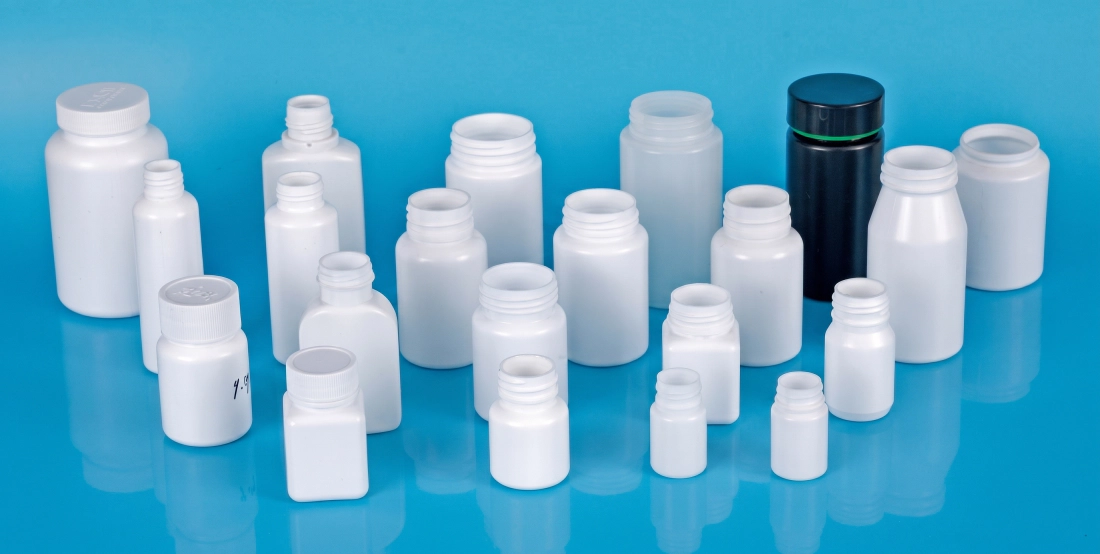
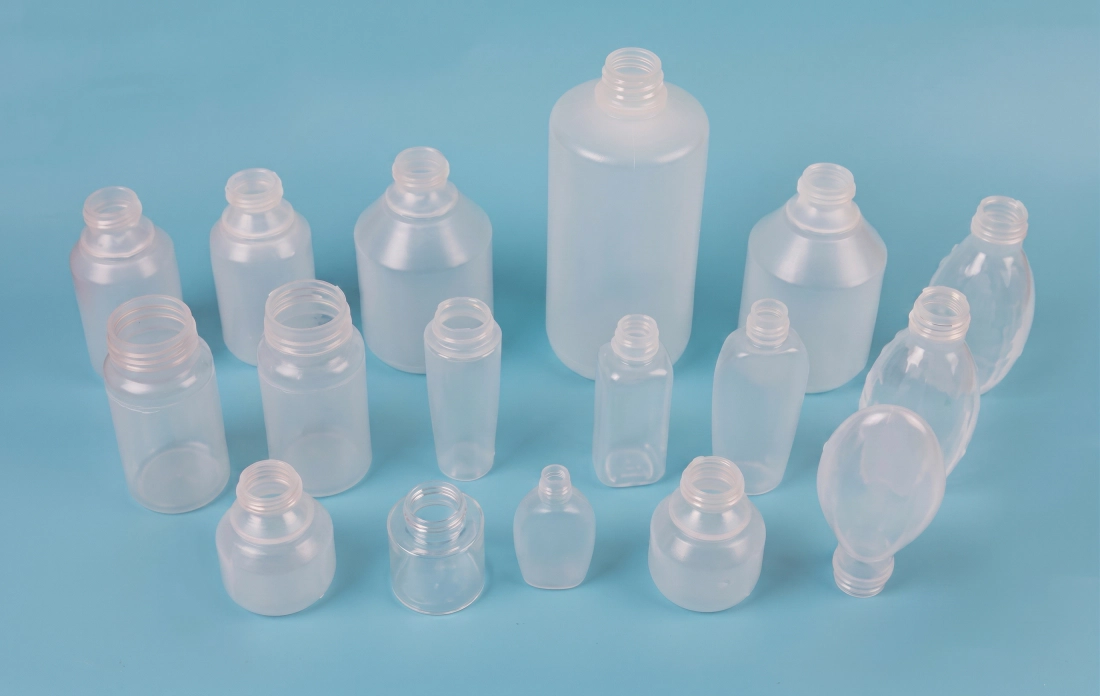
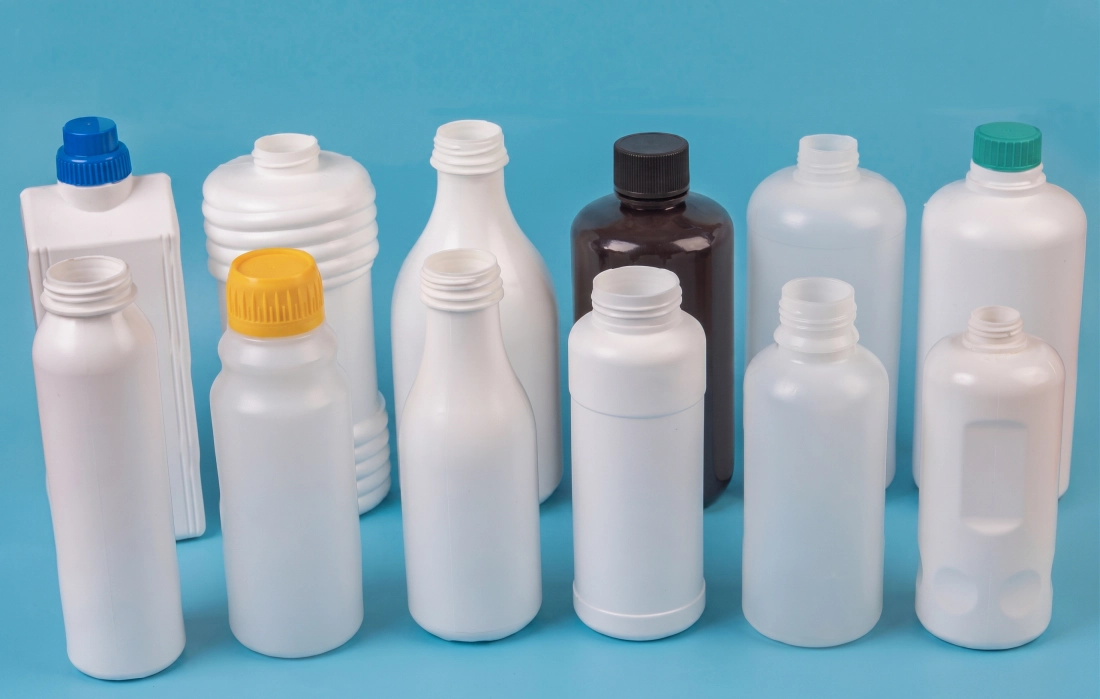
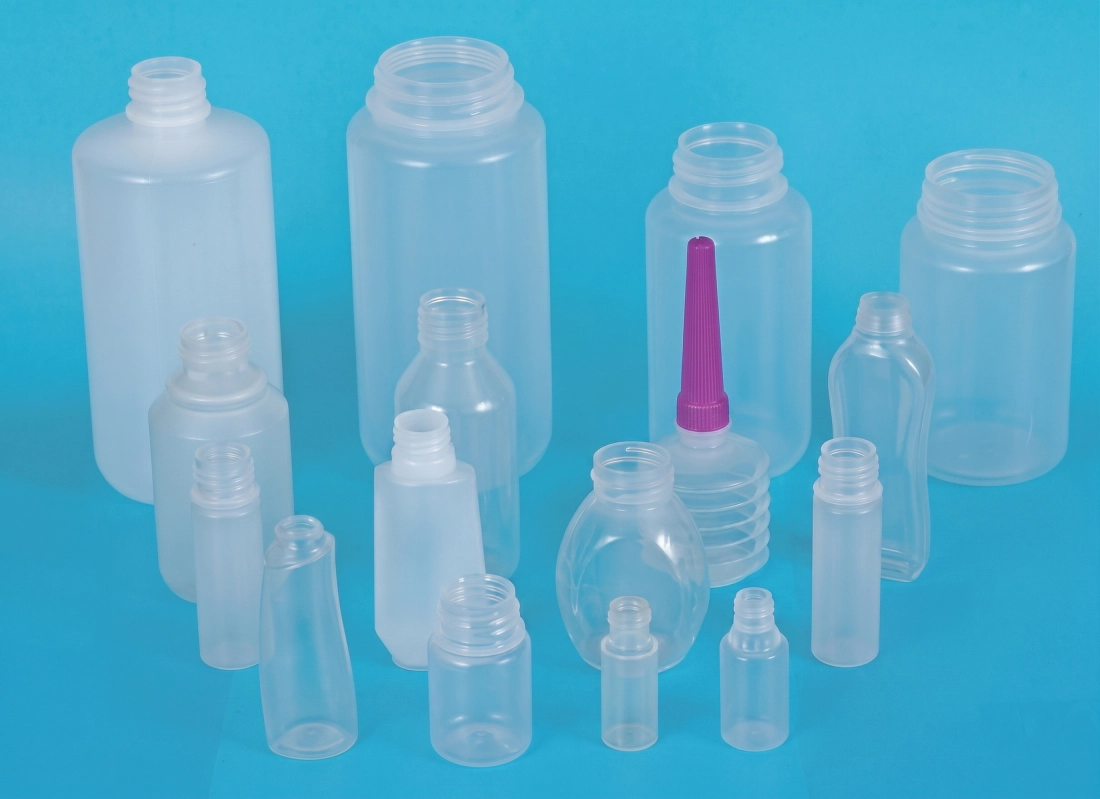
The EP110 is designed to produce bottles and containers from 1ml to the maximum volume for this model, covering the full range of primary packaging needs across four major market verticals. The table below shows the container types and industry segments where this automatic injection blow molding equipment delivers its highest commercial return.
Pharmaceutical Industry
- Eye drop bottles (LDPE, 5-30ml)
- Oral tablet and capsule bottles (HDPE, 30-500ml)
- Nasal spray and pump bottles (PP)
- Liquid medicine bottles with child-resistant caps
- Vaccine and reagent vials (LDPE, 1-20ml)
- GMP-grade amber and white HDPE pill bottles
Cosmetics Industry
- Roll-on deodorant applicator bottles (PE, 50-100ml)
- Mascara tubes and wand bottles (PP, 5-20ml)
- Nail polish bottles (PS, 10-30ml)
- Lotion and serum pump bottles (PCTG, 30-200ml)
- Wide-mouth cream jars (PP/PS)
- Foundation and toner bottles
Baby Products and Food
- Baby feeding bottles (PP, PPSU, 150-300ml)
- Infant formula scooping bottles
- Honey and syrup containers (LDPE)
- Small-volume special beverage containers
- Edible oil sample bottles
- Yogurt and dairy packaging
Daily Chemical and Industrial
- Shampoo and conditioner bottles (HDPE/PP)
- Hand sanitizer and lotion dispensers
- Automotive fluid sample bottles
- Agricultural chemical concentrate bottles
- Cleaning product containers
- Industrial reagent bottles with precise necks
Industrial Connectivity and Remote Diagnostics for the EP110
The EP110 is equipped with a PLC-based control platform that supports recipe management for multiple mold configurations. Each mold set - defined by its preform weight, blow pressure profile, cooling time and stripping sequence - can be saved as a named production recipe and recalled in under 60 seconds during a mold changeover. For OEM and contract manufacturers running 10 or more SKUs on a single machine, this eliminates the operator setup errors that traditionally cause the first 200-500 bottles of a new run to fall outside specification.
The control system logs cycle time, injection pressure peak, clamp force, motor amperage and hydraulic oil temperature for every production cycle. This real-time data stream can be connected to a factory SCADA system via standard industrial protocols. For overseas customers, EVER POWER engineers can connect to the machine remotely to review alarm logs, adjust process parameters, and guide local operators through fault recovery without requiring an on-site service visit - substantially reducing downtime cost for facilities far from a service center.
Energy monitoring is built into the EP110 dashboard: cumulative kWh consumption per production batch, energy cost per thousand bottles (configured with local electricity price), and OEE (Overall Equipment Efficiency) tracking across shifts. This data enables production managers to identify energy anomalies - such as a worn hydraulic seal increasing pump load - before they escalate into unplanned downtime. The transition from reactive maintenance to condition-based maintenance is one of the most significant cost reduction levers available to high-volume bottle manufacturers, and the EP110 makes it accessible without third-party hardware investment.
Investment Return and Production Efficiency Analysis: Why Choose the EP110?
The acquisition cost of the EP110 must be evaluated against five measurable efficiency drivers that determine cost per thousand bottles and payback period. Purchasing engineers who evaluate only machine price - without these five factors - systematically undervalue the IBM platform and overestimate EBM economics for their target application.
1. Zero Flash Scrap
IBM produces no flash and no pinch-line scrap. EBM generates 20-40% of bottle weight as scrap per cycle. At 200 tons of PP per year, zero-scrap IBM saves 40-80 tons of resin annually. At 1,500 USD per ton, that is 60,000-120,000 USD in raw material savings per year from one machine alone.
2. No Deflashing Labor
EBM requires a secondary deflashing operation - either inline mechanical or manual - adding labor cost, a second machine footprint, and an additional quality failure point. IBM bottles from the EP110 come off the conveyor with zero post-processing required before filling or labeling, saving 1-3 operators per shift.
3. Short Dry Cycle Throughput
The EP110 achieves a 4 S dry cycle. With 18 cavities at 60ml, annual output at 6,000 hours run time exceeds 97.0 million bottles. This throughput concentration into a single compact machine reduces total asset investment per unit of capacity versus multi-machine EBM lines at equivalent output.
4. Quick Mold Changeover
The injection mold and blow mold on the EP110 can be changed in 2-4 hours by a trained two-person team. Recipe recall from the PLC removes setup time entirely for repeat jobs. Facilities running 8-15 SKUs on a single EP110 achieve mold changeover frequency of 2-4 per week with total changeover downtime below 10% of available production hours.
Footprint and Utility Efficiency
The EP110 footprint of 5x1.8x2.2 M consolidates injection, blow and ejection into a single machine envelope. Compare this to a two-machine EBM line (extruder plus blow machine, plus deflash press, plus conveyor) which typically occupies 3-4 times the floor area for equivalent throughput. Utility connections - compressed air at 0.7-1.2 MPa, cooling water at 4 M3/h flow, electrical connection at 80 KW total - are all single-point utilities, reducing installation complexity and ongoing maintenance overhead.
Factory building cost in pharmaceutical-grade cleanroom environments can reach 2,000-5,000 USD per square meter. The compact footprint of the EP110 directly reduces the cleanroom area required to produce a given volume of output - a capital benefit that does not appear in machine comparison tables but materially affects total project economics.
EP Series IBM Mould Characteristics and Design Standards
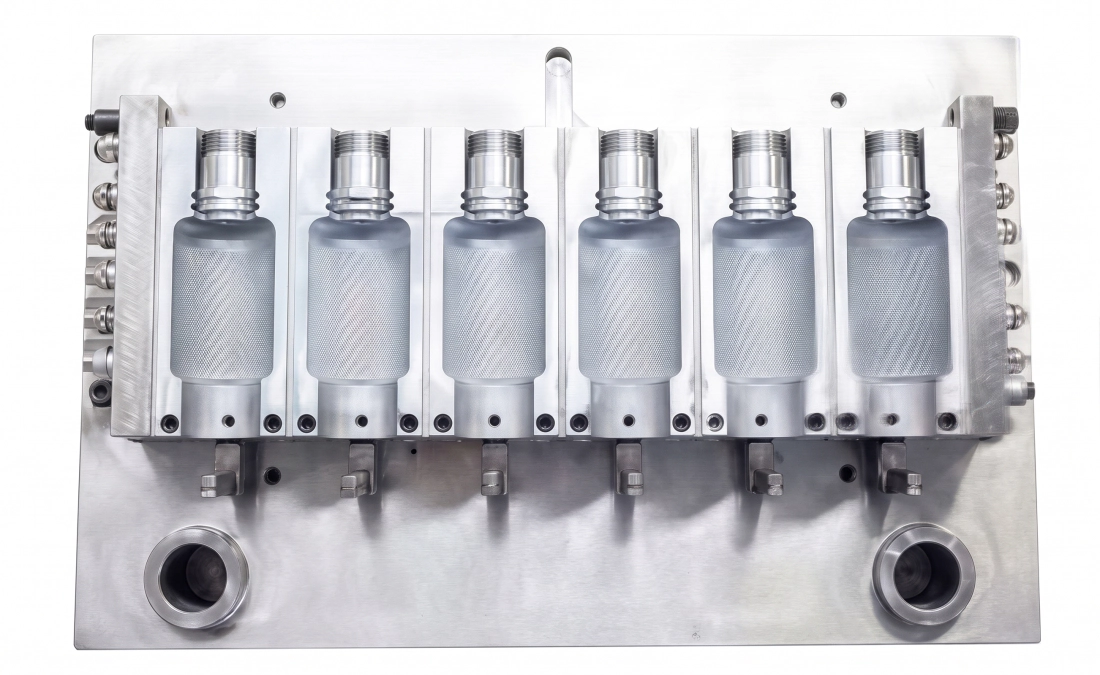
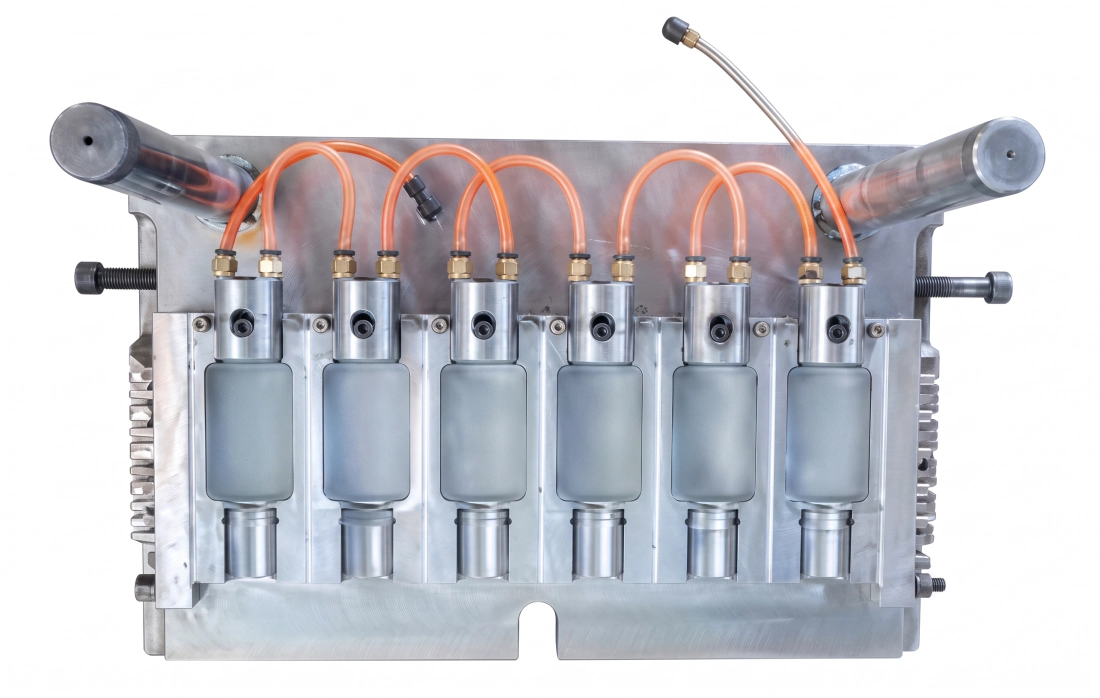
- ■Active cavity and neck-block design - injection mold cavities and neck blocks are independently adjustable, allowing preform tube body dimensions to be fine-tuned without replacing the entire mold set. Oil and water passages are purpose-designed for stable temperature distribution and easy disassembly.
- ■Premium steel grades - injection mold bodies use 4Cr13 stainless steel or imported high-strength S136 alloy steel. S136 is a mirror-polish, corrosion-resistant steel with through-hardness to 52 HRC. Blow mold bodies can be manufactured in magnesium-aluminum alloy for superior thermal conductivity and reduced inertia mass on the rotary turret.
- ■Optimized hot runner and preform design - the hot runner manifold is engineered to minimize gram weight deviation across all cavities and to reduce wall thickness variation in the preform body. The mandrel design ensures uniform air delivery for consistent blow expansion and fast cooling.
- ■Precision neck thread and seal dimensions - bottle mouth inner and outer diameters, thread pitch and flange geometry are machined to drawing tolerance. Cap sealing rate is 100% across production-run samples.
- ■Zero flash at neck and base - the IBM process geometry eliminates parting-line flash at the bottle mouth and pinch-weld flash at the base. Bottles exit the EP110 with no trimming required at either end.
- ■Product consistency metrics - size, weight, parting line position and wall thickness are consistent across all cavities and across production batches, enabling pharmaceutical clients to validate production on a per-batch statistical basis without 100% inspection overhead.
Equipment Selection Guide: Is the EP110 Right for Your Production Requirements?
Selecting the correct IBM tonnage requires calculating the intersection of three variables: preform weight, required cavity count, and target output per hour. Use this framework to confirm whether the EP110 is correctly sized for your application, or to understand what production parameters it can support.
Step 1: Calculate Preform Weight
Take the target bottle weight in grams (including the neck, body and base). Add 2-5% for process cushion. The EP110 injection weight of 540 g must be equal to or greater than (target preform weight x number of cavities). For example: a 5g preform at 8 cavities requires 40g shot weight, well within the 540 g capacity.
Step 2: Calculate Required Cavity Count
Target output (bottles/hour) divided by (3600 seconds / cycle time in seconds) gives required cavities. At a 4 S cycle and 10,000 bottles per hour target: 10,000 / (3600 / 4) = 12 cavities minimum. Cross-check against the cavity table above to confirm the EP110 can deliver this at your bottle volume.
Step 3: Verify Mould Platen Fit
The injection mould layout (cavity array footprint) must fit within the EP110 max platen size of 1100x460 mm. Wide-bottle (diameter greater than 120mm) or tall-bottle (height greater than 220mm) applications exceed the EP110 mould envelope and require a larger model. Confirm your bottle OD and height before specifying cavity count.
Step 4: Material and Injection Pressure
PP requires higher injection pressure and melt temperature than LDPE. PC and PETG require even higher barrel temperatures and longer residence-time plasticization. The EP110 hydraulic system pressure of 14 MPa and motor of 22+22 KW supports the injection forces needed for PP and engineering grade materials at the rated injection weight. Confirm your resin specification with the EVER POWER application team before ordering.
EVER POWER application engineers provide free pre-sales technical consultation to validate your container dimensions, material, cavity count and production target against EP110 specifications. Contact us with your bottle drawing and production brief for a written confirmation of suitability.
Machine Structure Overview and Maintenance Guidelines
The EP110 is built around three core functional modules. Understanding their maintenance requirements is essential for sustaining the machine performance metrics - dry cycle, output rate, and product quality - over the full production life of the equipment.
Module 1 - Injection Unit: Screw, Barrel, Hot Runner
The injection unit melts and meters plastic into the preform cavity. Daily maintenance: check barrel temperature profiles against set points, inspect the screw tip and check ring for wear indicators, and verify hot runner zone temperatures are within 2 degrees of set points before startup. Weekly: inspect barrel insulation bands, check injection cylinder seals for oil weeping, and purge any color contamination from previous production. Monthly: pull and clean the check ring and screw tip assembly; inspect screw flights for wear and measure barrel bore diameter for clearance. Replace barrel if clearance exceeds manufacturer tolerance to prevent melt bypass and shot weight inconsistency.
Purging procedure: when changing from dark to light colors or from engineering resin to commodity resin, use a commercial purging compound at a barrel temperature 10 degrees above the new material set point. Run 5-10 purge shots before switching to the new material. Never leave the barrel idle at processing temperature for more than 20 minutes without purging - thermal degradation during idle periods is the primary cause of black speck contamination on restart.
Module 2 - Clamping and Rotary Indexing Unit
The clamping system and rotary indexer carry the highest mechanical loads and have the most precise positional requirements. Daily: apply grease to tie-bar surfaces and rotary table guide rails per the lubrication schedule (EVER POWER specifies the grease grade - do not substitute with general-purpose grease, which may not maintain viscosity at operating temperature). Inspect hydraulic clamping cylinder for oil seepage at rod seal. Listen for unusual sounds during the indexing rotation - any metallic click or hesitation indicates an angular divider bearing requiring inspection.
Monthly: check platen parallelism with a dial indicator across four tie-bar positions; deviation greater than 0.05mm requires re-shimming. Check indexing position accuracy by placing a dial indicator against a reference surface on the turret and verifying that the same position is repeated to within 0.02mm after 100 consecutive indexing cycles. If drift is observed, adjust the mechanical stop or contact EVER POWER service.
Module 3 - Hydraulic System and Cooling Circuit
The hydraulic system is the energy backbone of the EP110. System pressure is set at 14 MPa. Daily: check hydraulic oil level in the tank sight glass, check oil temperature display (normal operating range 40-55 degrees Celsius; above 60 degrees indicates a cooling circuit problem or filter blockage), and inspect all visible hydraulic hose fittings for weeping. The oil filter indicator must be checked every 250 hours - a red indicator requires immediate filter element replacement, not deferral.
Cooling circuit: the EP110 requires clean, scale-free cooling water at 0.3-0.4 MPa pressure and 4 M3/h flow. Install a water treatment system upstream of the machine to prevent calcium scale buildup inside mold cooling channels. Scale buildup of just 1mm in a 6mm channel reduces cooling efficiency by over 30%, extending cycle times and reducing output. Flush cooling circuits with a descaling solution annually. Chiller water quality must be neutral pH (6.5-7.5) and contain an anti-corrosion inhibitor compatible with copper and aluminum alloy mold materials.
Turnkey Solutions and Customization Services from EVER POWER
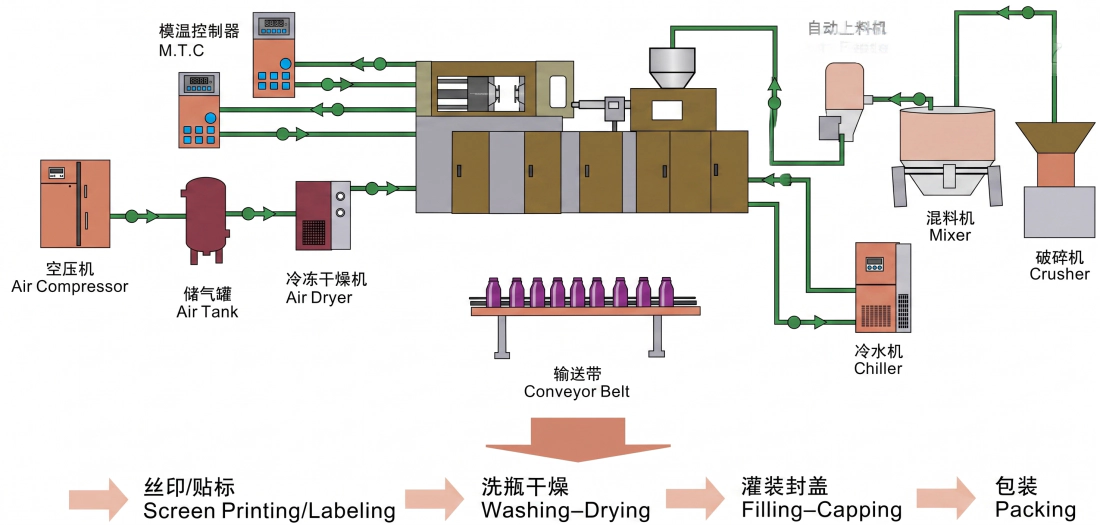
EVER POWER supplies the EP110 as either a standalone machine or as the centerpiece of a complete turnkey bottle production line. For customers setting up a new facility or expanding into a new container product line, the turnkey approach eliminates the integration risk that comes from sourcing the IBM machine, molds, auxiliaries, and downstream equipment from separate vendors.
Mould Design and Manufacture
EVER POWER engineers develop injection and blow mold sets from customer bottle drawings or 3D files. Multi-cavity hot runner molds in S136 or 4Cr13 steel. Prototype single-cavity molds for container validation before committing to high-cavity production tooling. T0 mold trials conducted at the factory before shipment.
Auxiliary Equipment Integration
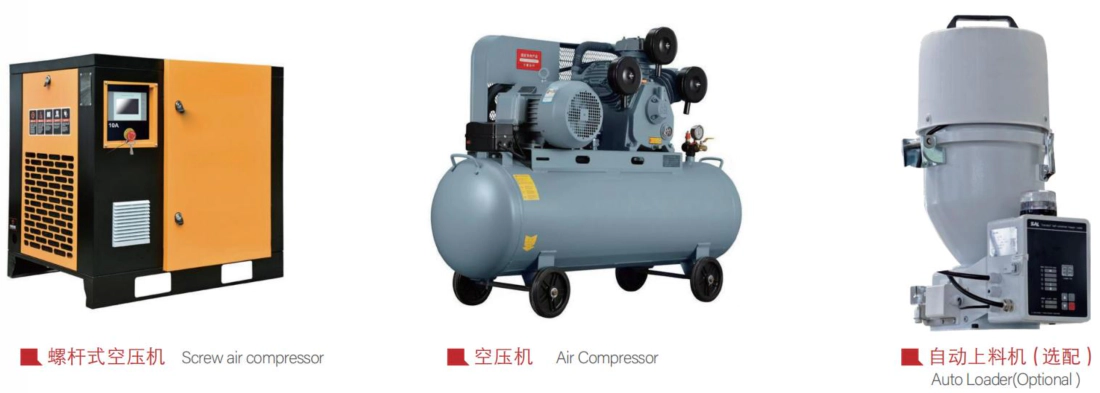
The EVER POWER turnkey line includes: screw air compressor, air tank and air dryer, mold temperature controller, industrial chiller, auto loader, conveyor belt, screen printing and labeling system, washing and drying line, and automatic filling and capping machines. All auxiliary equipment is specified and pre-integrated to match the EP110 output rate.
Downstream Quality Systems
Optional inline bottle visual inspection machine (machine vision system for flash, deformation and contamination detection), automatic leak tester, automatic packing machine, and carton erector. For pharmaceutical lines, 100% inline leak testing and vision inspection are available as integrated modules matched to the EP110 conveyor output speed.
GMP and Cleanroom Configuration
For pharmaceutical clients requiring GMP-grade production, EVER POWER offers machine customization including: closed-system lubrication to prevent product zone contamination, stainless steel safety enclosures, HEPA-filtered machine enclosure for Class 100,000 cleanroom compatibility, and documentation support for equipment qualification (IQ/OQ/PQ) protocols.
Auxiliary Equipment Available with the EP110
Quality Control and Manufacturing Standards
CNC Machining of Critical Components
Machine bed, clamping platens, and all precision surfaces are CNC-machined in single setups to guarantee geometric accuracy. Platen parallelism is verified by laser measurement to 0.02mm. Tie-bar bores are honed to H7 tolerance for interference-free bearing fit.
Tie-Bar Induction Hardening
Tie-bars undergo high-frequency induction hardening to surface hardness of 52-58 HRC followed by precision grinding. This surface treatment provides wear resistance against the repeated sliding contact of clamping platens over millions of cycles without galling or fretting.
Hydraulic Circuit Cleanliness
All hydraulic circuits are flushed, pressure-tested and particle-count verified before assembly. Hydraulic oil cleanliness is maintained at ISO 4406 Class 17/15/12 as a minimum. Proportional and servo valve contamination sensitivity requires this level of cleanliness to prevent valve spool sticking and control drift.
72-Hour Factory Run-In Test
Every EP110 undergoes a minimum 72-hour continuous loaded run test at the factory before shipment. During this period, production output samples are measured for weight consistency, wall thickness uniformity, and dimensional accuracy. Any parameter outside specification triggers a hold and corrective action before the machine is cleared for delivery.
CE Safety Compliance
The EP110 is CE-marked in compliance with EU Machinery Directive requirements. Safety features include: interlocked safety doors with hydraulic circuit interrupt, light curtain protection at the operator access zone, emergency stop at all operator positions, and two-hand operator control for manual mold setting. CE documentation is provided with every machine.
After-Sales Service and Technical Support
Installation and Commissioning
EVER POWER senior engineers are responsible for installation, commissioning and acceptance testing. The engineer remains on site until the machine achieves stable production state and all operators are trained on machine operation, mold change and routine maintenance. Acceptance criteria are agreed before shipment and documented in the commissioning report.
Preventive Maintenance Program
EVER POWER provides a scheduled maintenance reminder service for all machines in service. The maintenance calendar covers daily, weekly, monthly and annual tasks. Proactive maintenance prevents unplanned breakdowns and reduces the need for expensive emergency part shipments. Customers following the preventive maintenance schedule consistently report machine availability above 95%.
24x7 Service Hotline
The EVER POWER service hotline is available 24 hours a day, 7 days a week. For urgent production breakdowns, call or message the service line and a qualified engineer will respond within 2 hours to diagnose the problem remotely. If on-site service is required, EVER POWER dispatches a technician with the minimum response time available for your location.
Spare Parts Inventory
EVER POWER maintains a comprehensive spare parts inventory for all EP110 components including hydraulic seals, proportional valve cartridges, heating bands, temperature sensors, drive belts and electrical components. Parts can be shipped globally within 48 hours for items in stock. Critical fast-wear items are available for customer-held local inventory based on EVER POWER recommendations.
Technical Training Programs
Beyond the standard installation training, EVER POWER offers dedicated training modules: machine operation, mold process optimization, mold change and setup, hydraulic system maintenance, and process troubleshooting for specific materials such as PP, LDPE and PCTG. Training can be conducted at the EVER POWER factory or at the customer facility.
Frequently Asked Questions - EVER POWER EP110
What materials can the EP110 process?
The EP110 is compatible with HDPE, LDPE, PP, PS (including lactic acid bacteria grade transparent PS), ABS, EVA, bio-based corn material, PCTG, and similar thermoplastics. For engineering resins such as PC, PETG and Tritan, the screw L/D of 22:1 and the 5+N heating zones provide the residence time and temperature profile needed for thorough, degradation-free plasticization. Confirm your resin grade with EVER POWER application engineering before ordering.
Can the EP110 be used for pharmaceutical GMP production?
Yes. The EP110 can be configured for pharmaceutical GMP production environments. Key features supporting GMP include: the one-step process eliminates inter-machine bottle transfer that introduces contamination risk in two-stage systems; the closed lubrication system prevents lubricant contamination of the product zone; and the machine can be specified with a stainless steel safety enclosure suitable for cleanroom installation. EVER POWER can provide equipment documentation to support IQ/OQ/PQ qualification processes for pharmaceutical facility validation.
How long does mould changeover take on the EP110?
A trained two-person team can complete a full mold changeover (injection mold, blow mold, and mandrel set) on the EP110 in approximately 2-4 hours, depending on the mold design and the changeover frequency experience of the team. PLC recipe recall eliminates parameter re-entry time for repeat mold sets. Facilities that invest in quick-release clamping plates for the mold base can reduce changeover to under 2 hours.
What certifications does the EP110 carry?
The EP110 is CE-marked for the European market. The machine design complies with EU Machinery Directive safety requirements including interlocked guards, emergency stop systems, and electrical safety standards. EVER POWER is an ISO-certified manufacturer. Machine documentation is provided in English and can be supplied in other languages upon request for export markets.
What is the lead time for the EP110 and an associated mould set?
Standard machine lead time for the EP110 is 45-75 days from order confirmation and deposit receipt, depending on production schedule at time of order. Mold sets are typically supplied in 60-90 days from final confirmation of bottle drawings and material specification. The machine and mold sets can be scheduled to arrive simultaneously for a coordinated installation. Contact EVER POWER for current lead time at time of inquiry.
Ready to Specify the EVER POWER EP110 for Your Production Line?
Send your bottle drawing, target volume, material specification and required output per hour to our application engineering team. We will confirm the correct cavity count and machine configuration in writing and provide a detailed commercial proposal within 3 working days.
Maklumat tambahan
| edited | by hyw |
|---|
Produk berkaitan
-
EP60HE High-Speed Fully Electric Injection Blow Molding Machine Zero Hydraulic 2.5s Cycle
-
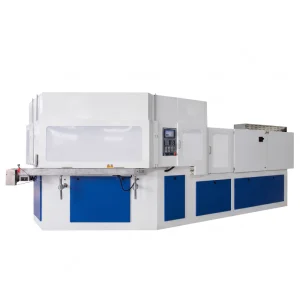
Heavy-Duty Injection Blow Molding Machine EP135 1350KN High-Cavity IBM for Cosmetic Pharmaceutical Bottles
-
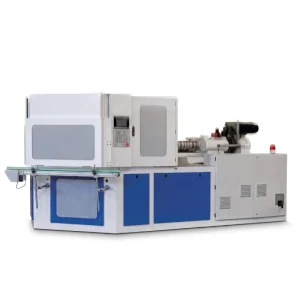
High-Output Injection Blow Molding Machine EP80 800KN Flash-Free Bottle Molding Equipment
-
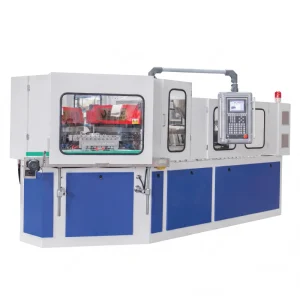
Automatic One-Step Injection Blow Molding Machine EP60 600KN Pharma Cosmetic Bottle Manufacturer
-
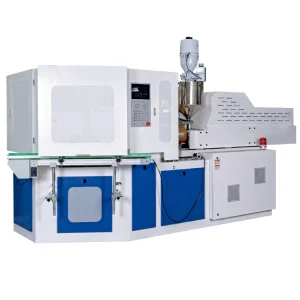
Automatic One-Step Injection Blow Molding Machine EP40 400KN for Pharma Cosmetic Bottles CE ISO